
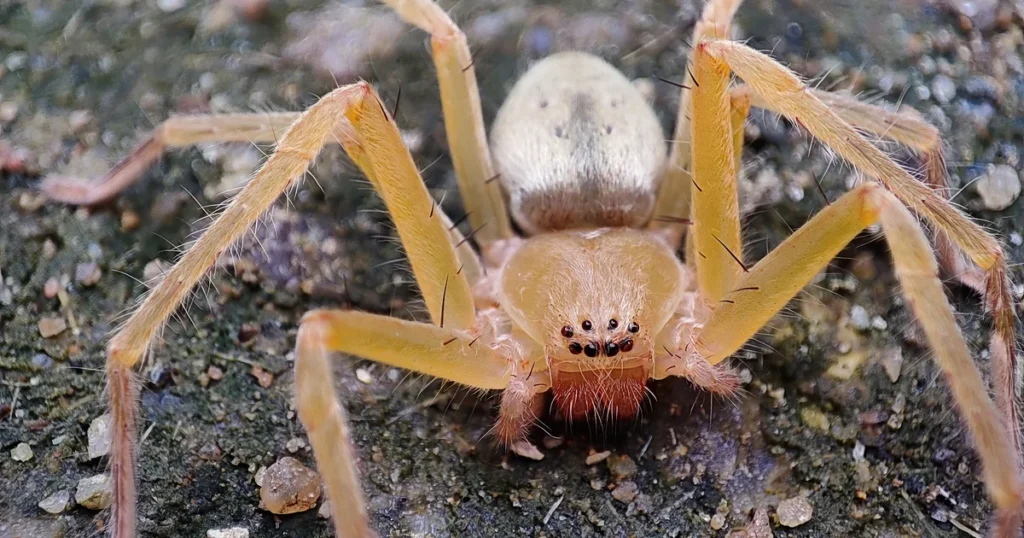
Brown Recluse in Virginia can create costly problems when early signs are missed. Learn what to look for, why it matters, and when to call Proforce.
Key Takeaways About Virginia Brown Recluse
- Many suspected brown recluse spider bites in Virginia are misidentified, since bite diagnoses often outnumber verified spider specimens in areas outside their core range.
- Brown recluse spiders favor undisturbed spaces like closets, storage areas, cracks, and crevices inside your home.
- Because brown recluse bites can be serious, professional inspection is the right starting point for suspected infestations.
- Treatment typically requires a combination approach targeting wall voids, cracks, crevices, and basements where these spiders nest.
- Not every skin lesion is a spider bite. According to UF/IFAS Extension, actual spider bites produce clean infarctions in the skin, while inflammatory core lesions point to other causes such as infection.
- Reducing clutter, sealing entry points, and scheduling ongoing treatment with Proforce Pest Control can help keep brown recluse spiders from settling into your home.
How to Identify Virginia Brown Recluse
Virginia homeowners sometimes worry about brown recluse spiders, but accurate identification matters before taking action. According to UC IPM, the brown recluse is the common name for only one species, Loxosceles reclusa. Many spiders found in Virginia homes are misidentified, so understanding what sets this species apart helps you make informed decisions about your next steps.
Telling Common Virginia Species Apart
Loxosceles species are virtually restricted to their known distributions, yet they are perceived to exist throughout the United States, as UC IPM notes. This means many spiders submitted for identification turn out to be other species entirely. One common lookalike is the huntsman spider, whose body carries a reversed color pattern on the carapace: a light median mark on a dark background. Adults of this species are also much larger than a brown recluse.
Another species sometimes confused with the brown recluse is the Mediterranean recluse, a cosmopolitan spider recorded from several U.S. localities, particularly larger cities. Because multiple species share a similar brown body color, careful comparison is essential before assuming you have found a brown recluse in your Virginia home.
How to Spot Brown Recluse Activity Inside Your Virginia Home
Brown recluse spiders tend to live in undisturbed indoor spaces. They are associated with closets and other storage areas where clutter provides cover. If you notice a spider with a uniform brown body and are unsure of the species, avoid handling it. Reach out to a trained service professional for a proper assessment rather than relying on a quick visual guess.
Keep in mind that several harmless spider species share overlapping traits. Without close inspection of key features, homeowners often mistake common house spiders for something more concerning.
Where Brown Recluse Activity Usually Shows Up in Virginia
Inside a home, brown recluse spiders are most often linked to closets, storage areas, and other low-traffic spots. These areas give spiders the seclusion they prefer. Stacked boxes, seldom-worn clothing, and cluttered shelving all create the kind of quiet, protected spaces where this species can go unnoticed for long periods.
Exterior Entry Points Brown Recluse Use in Virginia
Gaps around baseboards, voids in walls, cracks, and crevices along the exterior of your home can all serve as pathways for spiders moving indoors. Sealing these openings is a practical first step toward reducing the chance of any spider species setting up inside your living space.
If you are uncertain whether you are dealing with a brown recluse or another species in your Virginia home, a Proforce Pest Control service professional can inspect the area and recommend a clear path forward. Reach out to your local Proforce branch to schedule an assessment.
Why Brown Recluse Problems Develop in Virginia
Brown recluse spiders are shy and not naturally aggressive, which means they can quietly establish themselves in a Virginia home before anyone notices. They gravitate toward undisturbed areas where they can hunt and hide without interruption. Understanding what draws them closer to your living spaces is the first step toward keeping them out.
Why Virginia’s Climate Supports Brown Recluse Activity
Virginia’s warm, humid conditions create favorable indoor environments for brown recluse spiders during much of the year. These spiders nest in dark, undisturbed storage areas where temperature and moisture stay relatively stable. Closets, attics, and crawl spaces offer the kind of still, sheltered conditions brown recluse spiders prefer. When outdoor conditions shift, these indoor refuges become even more appealing.
Food and Shelter That Attract Brown Recluse in Virginia
Brown recluse spiders actively hunt prey rather than relying solely on webs. According to UF/IFAS Extension, after prey is overcome by venom, the brown recluse moves in to feed, and mobile prey like houseflies will be held with the initial bite and not released. Homes that harbor other insects provide a steady prey supply that encourages brown recluse spiders to stay.
Shelter matters just as much. Brown recluse spiders live in closets and other storage areas, nesting in voids, cracks, and crevices along baseboards. They also hide in the folds of infrequently used coats, bedding, or other clothing. Garages, basements, and utility rooms with stacked boxes or seldom-moved items give them exactly the cover they seek.
Why Virginia Brown Recluse Adapt Around Homes
Because brown recluse spiders prefer undisturbed sites, they adapt well to the cluttered corners most Virginia homeowners overlook. Stored seasonal gear, rarely opened cabinets, and unused guest rooms all create quiet harborage. The less a space is disturbed, the more suitable it becomes for these reclusive spiders to settle in long term.
Seasonal Shifts That Move Brown Recluse in Virginia
As outdoor temperatures change, brown recluse spiders seek consistent shelter closer to heated or cooled structures. Gaps around doors, utility lines, and foundation cracks give them access. Once inside, they spread through wall voids and storage areas. Regular inspection of seldom-used spaces and shaking out stored clothing before wearing it can help you spot activity early and reduce your risk of an unwanted encounter.
Risks From Virginia Brown Recluse
Virginia homeowners who suspect a brown recluse presence should understand the real risks involved. While these spiders are reclusive by nature and typically avoid contact, problems arise when they settle into living spaces where accidental encounters become more likely. Knowing what is at stake helps you decide how quickly to act.
Health Risks Linked to Virginia Brown Recluse
Brown recluse spiders usually bite only when trapped against a person’s skin, such as when someone rolls onto one during sleep or pulls on clothing where a spider has crawled. These bites are not random or aggressive. The risk comes from close, unintentional contact in dark storage areas, closets, and bedding.
According to Mississippi State University Extension, you should seek immediate medical attention if you think you have been bitten by a brown recluse, because early treatment can lessen the effects. Prompt action matters, so do not wait to see how a suspected bite develops over time.
Property Damage From Brown Recluse in Virginia
Brown recluse spiders do not cause structural or material damage to your home. They do not chew wood, fabric, or wiring the way some other household pests do. The concern with a brown recluse presence is entirely about the health risk to people living in the space rather than harm to the building itself.
That said, an infestation can affect your quality of life and comfort. Discovering these spiders in closets, attic boxes, or rarely worn shoes creates ongoing stress that makes daily routines feel uncertain, especially in bedrooms and storage areas.
Food Contamination Risks From Virginia Brown Recluse
Brown recluse spiders are not associated with food contamination. They are predatory spiders that hunt other small insects rather than foraging in kitchens or pantries. You are far more likely to encounter them in undisturbed spaces like garages, basements, and storage closets than near food preparation areas.
When a Brown Recluse Problem in Virginia Needs Action
A single sighting does not always confirm an infestation, but repeated encounters in your home warrant professional attention. Many Virginia homeowners mistake other long-legged, light brown spiders for brown recluse. One reliable way to tell them apart is by eye count: the brown recluse has six eyes arranged in three distinct pairs, while common look-alikes like the Southern house spider have eight eyes in a single cluster, as the University of Georgia pest guide describes.
If you are seeing spiders regularly in bedding, stored clothing, or boxes, the situation calls for a trained assessment. According to Texas A&M AgriLife Extension, household infestations often require more than one control method. Proforce service professionals can inspect your home and build a targeted plan so you know exactly what you are dealing with.
Professional Pest Control for Brown Recluse in Virginia
Brown recluse infestations in Virginia homes can be hard to manage on your own. These spiders build irregular webs in cracks and crevices in undisturbed areas, and some homes can harbor heavy infestations. Texas A&M AgriLife Extension recommends professional help and a combination of methods for household infestations. Proforce Pest Control brings local knowledge and a structured process to every brown recluse concern, from your first call through ongoing prevention.
How to Reduce Attractants and Seal Entry Points
Reducing brown recluse activity starts with making your home less inviting. Because brown recluses prey on insects that get inside, anything you do to exclude insects will also help reduce spider populations. Seal gaps around doors, windows, utility lines, and foundation cracks. Replace torn screens and install door sweeps to close off common entry points.
Inside, reduce clutter in storage areas such as closets, attics, garages, and basements. Brown recluses often hide in folds of infrequently used clothing, coats, and bedding. Shake out stored items before wearing them. Keep boxes off the floor and switch from cardboard to sealed plastic bins. Lowering indoor pest populations cuts off the food source that draws brown recluses deeper into your living space.
Why the Process Starts With a Professional Inspection
A thorough inspection is the foundation of any brown recluse pest control plan. Proforce service professionals examine the areas where these spiders are most likely to settle: undisturbed storage spaces, wall voids, closets, and utility rooms. They look for webbing, live spiders, and conditions that support insect prey. This assessment tells your service professional how widespread the activity is and where to focus treatment.
Accurate identification also matters. Brown recluses are sometimes confused with other Virginia spiders, and confirming the species guides the right control strategy. Your Proforce service professional will document findings and walk you through what they observed before any work begins.
What to Expect During Professional Brown Recluse Treatment
Brown recluse control requires a combination approach because these spiders spend most of their time tucked into tight, protected spaces. Your Proforce service professional will target cracks, crevices, and voids where brown recluses harbor. Treatment also addresses the insects brown recluses feed on, reducing the overall pest population that sustains them.
Ongoing monitoring is part of the process. Because brown recluse infestations can persist in hidden areas, follow-up visits let your service professional check progress, re-treat if needed, and adjust the plan based on what they find. Proforce covers 35 common pests under its general pest control plan, so your ongoing service works against the prey insects that attract spiders in the first place.
What to Expect From a Virginia Brown Recluse Control Plan
Your Proforce brown recluse control plan is built around your home’s specific conditions. After the initial inspection and treatment, your service professional will recommend a schedule for return visits. Consistent service is key because brown recluses can re-establish in undisturbed areas if conditions remain favorable.
Every plan is backed by the Proforce Guarantee, so you can count on your service professional to stand behind the work. With 11 locations across five states and a 92.5 NPS score from 23,000+ reviews, Proforce delivers the kind of accountability Virginia homeowners count on. Done Right. Every Time.
If you suspect brown recluse activity in your home, request a quote to get started with a professional inspection from your local Proforce team.
Bottom Line on Brown Recluse in Virginia
Brown recluse spiders can turn up in Virginia homes, and knowing what to look for is the first step toward protecting your household. These spiders favor undisturbed indoor spaces like basements, attics, and closets, and they build irregular webs in cracks and crevices that are easy to overlook. Correct identification, steady prevention habits, and prompt professional help when needed form the core of any smart management plan. If you suspect activity in your home, Proforce Pest Control’s local service professionals can inspect, assess, and put a targeted treatment plan in place. Done Right.
Every Time.
Frequently Asked Questions About Brown Recluse in Virginia
How Do I Tell a Brown Recluse Apart From Other Spiders?
Look for the distinct dark fiddle-shaped marking on the front portion of the spider’s back, which gives it the common nickname “fiddle-back” spider. Another useful detail is the eye arrangement: brown recluses have three pairs of eyes, while many look-alikes, such as the southern house spider, have eight eyes grouped together. If you are unsure, capture the spider in a jar and have a professional confirm the identification before taking further action.
Where in My Home Are Brown Recluse Spiders Most Likely to Hide?
Brown recluses gravitate toward quiet, undisturbed areas. Basements, attics, storerooms, and closets are common harborage spots. They also tuck themselves into the folds of infrequently used coats, bedding, and stored clothing. Always shake out garments and linens that have been sitting in storage before wearing or using them.
What Should I Do If I Think I Have Been Bitten?
The bite itself may not be especially painful and can initially go unnoticed, but the venom causes localized tissue death that may slowly spread from the bite site. As Mississippi State University Extension recommends, seek immediate medical attention if you think a brown recluse has bitten you, because early treatment can lessen the effects.
Can I Handle a Brown Recluse Problem on My Own?
Reducing the insects that spiders feed on helps lower spider numbers over time. Sealing entry points, decluttering storage areas, and cutting back exterior vegetation all limit harborage opportunities. However, household infestations may call for a combination approach from a professional service. Proforce service professionals can evaluate the scope of activity in your Virginia home and build a plan tailored to your situation. Reach out to request a quote and get started.