
Mosquito Season in Georgia can create costly problems when early signs are missed. Learn what to look for, why it matters, and when to call Proforce.
Key Takeaways About Georgia Mosquito Season
- Mosquitoes in Georgia thrive when temperatures stay consistently warm, and their activity can stretch across many months of the year.
- Biting can happen in the morning, evening, or daylight depending on which mosquito species are active around your home.
- Water-holding objects around the yard, from bird baths to clogged gutters, can become larval habitat.
- Warm summer water lets mosquito populations mature rapidly, which means numbers can grow quickly between treatments.
- Removing standing water around your home is the single most important step you can take to reduce mosquito breeding sites.
- Proforce Pest Control uses barrier treatments, larvicide applications, and mosquito trapping to target mosquitoes at every stage of their life cycle.
How to Identify Georgia Mosquito Season
The Proforce Pest Almanac
Mosquito activity in Georgia, by the month.
Bar height shows how active mosquitoes are in a typical year. Peak months get a green edge.
Recognizing mosquito season in Georgia starts with understanding when and where these pests become active around your property. Warm, humid conditions across the state create extended periods of mosquito pressure, and knowing what to look for helps you stay ahead of the problem. Activity patterns, breeding signs, and common entry points all give you clues that the season is underway.
Telling Common Georgia Species Apart
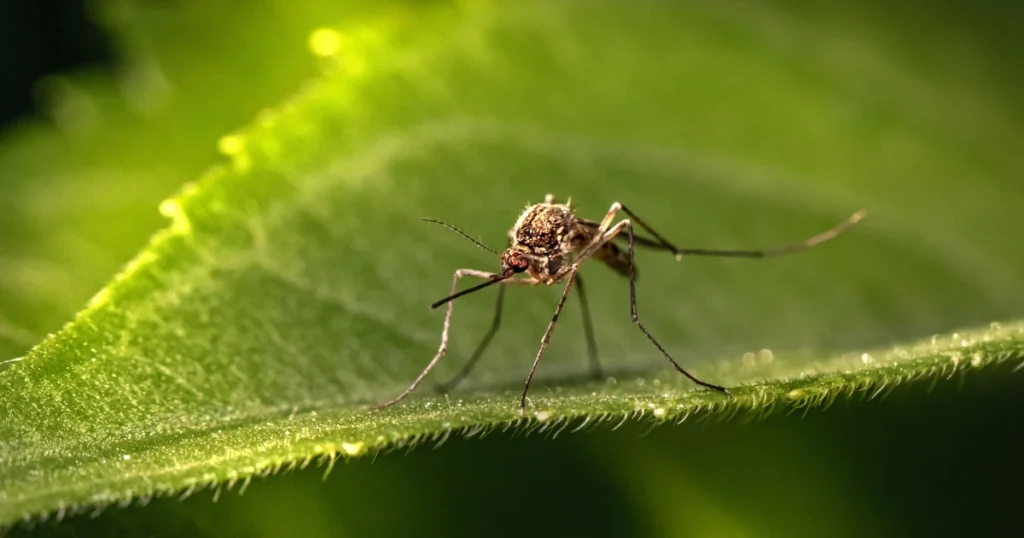
Georgia is home to multiple mosquito species, and they do not all behave the same way. According to UC IPM, activity patterns vary by species, with some mosquitoes peaking in low-light periods and others feeding during the day. This means you may notice biting activity at different times depending on which species are present in your yard. Size, coloring, and leg banding vary between species, but the constant buzzing and persistent landing on exposed skin are the universal giveaways.
Some species stay close to where they breed, while others can travel several miles from their origin point. That range means mosquitoes biting you in your backyard may not have hatched on your property at all. Identifying the species present helps determine where breeding sources are located and how far the problem extends.
How to Spot Mosquito Season Activity Inside Your Georgia Home
Mosquitoes inside your home are a reliable indicator that the season is in full swing. You will hear them near your ears at night or notice them resting on walls, ceilings, and curtains during the day. Indoor sightings typically increase when doors open and close frequently during warmer months. Bites that appear overnight, especially on arms and ankles, often point to mosquitoes that slipped inside during the evening hours.
Where Mosquito Season Activity Usually Shows Up in Georgia
Outdoors, mosquito activity concentrates around standing water and shaded resting areas. As UC IPM notes, mosquito larvae develop in standing water, including ponds, bird baths, and any other water-holding objects. In Georgia yards, that means clogged gutters, plant saucers, wheelbarrows, and forgotten buckets all become breeding grounds. Shaded foliage, dense shrubs, and the underside of decks serve as daytime resting spots for adults between feeding periods.
Some species place large egg clusters on the water’s surface. Even a small container of stagnant water can support mosquito development, which is why routine water removal matters during warm weather.
Exterior Entry Points Mosquito Season Use in Georgia
Mosquitoes follow you through open doors and garages, but they also exploit less obvious gaps. Torn window screens, unsealed gaps around dryer vents, and poorly fitted door sweeps all provide access. They are drawn toward light and the carbon dioxide you exhale, which leads them directly to doorways and windows during peak activity hours. Keeping screens in good repair and closing doors promptly are simple first steps to reducing indoor encounters during mosquito season in Georgia.
Why Mosquito Season Problems Develop in Georgia
Why Georgia’s Climate Supports Mosquito Season Activity
Georgia’s warm, humid climate creates the conditions mosquitoes need to thrive. Long stretches of heat and frequent rainfall fill low-lying areas with standing water, giving female mosquitoes abundant places to deposit eggs. According to UC IPM, summer water temperatures can accelerate the full development cycle from egg to adult in a week or less. That rapid turnaround means populations can build quickly once temperatures stay consistently warm.
Georgia’s mild winters also allow some overwintering mosquito populations to rebound earlier in spring. The combination of warmth, moisture, and an extended growing season makes the state especially hospitable to sustained mosquito pressure throughout much of the year.
Food and Shelter That Attract Mosquito Season in Georgia
Adult mosquitoes seek shaded resting spots during the hottest parts of the day. Dense shrubs, tall grass, tree canopy edges, and covered porches all provide the cool, humid shelter they prefer. Your yard’s landscaping can unintentionally create a network of resting sites just steps from your front door.
Female mosquitoes need a blood meal to produce eggs, and a busy household with pets, family members, and outdoor gatherings provides a ready food source. Because biting schedules overlap across species, pressure can build from morning to evening.
Why Georgia Mosquito Season Adapt Around Homes
Residential properties offer everything mosquitoes require to breed. Bird baths, clogged gutters, flower pot saucers, and other water-holding objects can all support larvae. According to UC IPM, some species lay egg rafts containing 100 or more eggs at a time, so a single neglected container can seed a large local population.
Mosquitoes pass through four life stages: egg, larva, pupa, and adult. Every stage except the adult depends on water. That means the breeding cycle restarts every time rain refills forgotten containers around your home.
Seasonal Shifts That Move Mosquito Season in Georgia
As seasons change, so does mosquito behavior. Spring rains create new breeding habitat, and rising temperatures shorten the development timeline. Summer storms replenish water sources that may have dried out, restarting breeding in areas you thought were clear.
Some mosquitoes remain near the water source where they hatched, while others disperse far beyond it in search of hosts. This range means mosquitoes breeding in a neighbor’s yard or a nearby retention pond can still reach your property. Ongoing, season-long attention to both breeding sites and adult resting areas is the most practical way to keep pressure low around your home.
Risks From Georgia Mosquito Season
Health Risks Linked to Georgia Mosquito Season
Mosquitoes are among the most persistent pests Georgia homeowners face during warm months. Their bites are more than a nuisance. Mosquitoes are widely recognized as vectors that prompt public health departments and mosquito control programs to monitor and respond to population surges. According to NPIC, state and local public health departments maintain dedicated mosquito and vector control resources specifically because of the risk these pests carry.
Reducing your exposure starts with practical steps around your own yard. You can lower your bite risk by removing standing water, applying repellents before heading outdoors, and wearing protective clothing that covers exposed skin. These measures are especially important during peak activity hours at dawn and dusk.
Property Damage From Mosquito Season in Georgia
Mosquitoes themselves do not cause structural or material damage to your home. Unlike termites or rodents, they do not chew through wood, wiring, or insulation. The real property impact is on your outdoor living space. Heavy mosquito pressure can make decks, patios, and yards unusable for weeks at a time during the warmest stretches of the year.
Standing water that attracts breeding mosquitoes can also signal drainage issues around your property. Clogged gutters, birdbaths, plant saucers, and low spots in the yard all create the conditions these pests need to reproduce. Addressing those moisture sources protects both your comfort and your landscape.
Food Contamination Risks From Georgia Mosquito Season
Mosquitoes are not considered direct food contamination pests. They do not feed on stored food, pantry items, or kitchen surfaces. However, outdoor meals during mosquito season in Georgia often draw these pests to dining areas, grills, and uncovered drinks. Keeping food covered and clearing standing water near entertaining areas helps reduce the number of mosquitoes that gather where your family eats outside.
When a Mosquito Season Problem in Georgia Needs Action
A few mosquitoes at dusk are expected in Georgia. The risk becomes a problem when you notice bites on a daily basis, when spending time in your yard feels uncomfortable, or when you spot larvae wriggling in pooled water around the property. According to NPIC, public health departments and mosquito control programs serve as resources for deciding when professional pest action is warranted.
If you have reduced standing water, applied repellents, and still face persistent mosquito pressure, it is time to bring in a professional service. Proforce service professionals apply barrier treatments and larvicide to target both adult mosquitoes and breeding sites, helping you reclaim your yard throughout the season.
Professional Pest Control for Mosquito Season in Georgia
Georgia’s warm, humid climate creates conditions that allow mosquitoes to thrive across much of the year. Reducing their numbers around your home takes more than a single step. It requires removing the conditions that attract them, identifying where they breed, and applying targeted control where it matters most. Proforce Pest Control uses a structured approach built around inspection, larval control, and barrier treatment to help keep your yard more comfortable throughout mosquito season.
How to Reduce Attractants and Seal Entry Points
Any item that holds rainwater can support mosquito larvae, including ponds, bird baths, buckets, and forgotten containers. Even small amounts of standing water can become a breeding site. Walk your property regularly and empty, overturn, or remove anything that collects water. According to UC IPM, water in pet dishes, watering troughs, and bird baths should be changed weekly to reduce mosquito breeding habitat.
Clogged gutters, forgotten buckets, and plant saucers are common culprits. Tarps draped over equipment or firewood can also pool water after a storm. Keeping your yard clear of these items limits the places mosquitoes can reproduce close to your home.
For entry into the home itself, check that window screens are intact and doors seal tightly. Because biting windows vary by species, gaps in screens can let mosquitoes inside at any hour.
Why the Process Starts With a Professional Inspection
Before any treatment begins, a Proforce service professional inspects your yard to locate breeding sites and resting areas. Some mosquitoes stay near the water where they developed, while others disperse widely enough that the source of your mosquito pressure may not be obvious without a trained eye.
During the inspection, your service professional notes areas of dense foliage, shaded zones, and any standing water that cannot simply be dumped out. These observations shape the treatment plan so that products are applied where mosquitoes actually rest and breed rather than spread broadly across the entire property.
What to Expect During Professional Mosquito Season Treatment
Proforce mosquito control follows a threefold process. First, a barrier treatment is applied to foliage, shaded areas, and resting sites using a mister or blower. Second, a larvicide called Altosid is applied to stagnant water that cannot be removed, targeting larvae before they become biting adults. As UC IPM notes, the most effective control methods target the larval stage of the life cycle. Third, where applicable, Inzecto Mosquito Traps are installed along property lines and monitored monthly.
Each visit takes approximately thirty minutes, though larger yards may require more time. Before your service professional arrives, remove pet food, water bowls, toys, and any items that may be handled or placed in the mouth from the treatment area. Keep people and pets away from treated zones, and ensure doors and windows are closed. Pets should remain out of treated areas for at least four hours after the visit.
What to Expect From a Georgia Mosquito Season Control Plan
Because only female mosquitoes feed on blood, ongoing control focuses on reducing the breeding population around your property over time. Proforce applies treatments according to label directions, and the In2Care system works on accumulated water in lower areas, helping the treatment hold up even after rainfall.
Every Proforce mosquito control plan is backed by the Pest-free Service Warranty. If mosquitoes persist between scheduled visits, you can call for a reservice at no extra charge. With 11 locations across five states, local Proforce teams understand the seasonal pressures specific to Georgia and adjust service frequency to match.
Ready to take back your yard this mosquito season. Request a quote from Proforce Pest Control to get started with a plan built for your property. Done Right. Every Time.
Bottom Line on Mosquito Season in Georgia
Across Georgia, warm weather and high humidity create extended periods of mosquito activity each year. Heat and abundant moisture allow populations to build quickly, especially around properties with standing water. Some species feed at dawn and dusk, while others stay active throughout the day, so outdoor comfort can feel limited for months at a time. Reducing breeding habitat around your yard and scheduling recurring professional treatments are the two most reliable ways to reclaim your outdoor space.
Proforce Pest Control combines adult control, larval treatment, and trapping to address mosquitoes at every life stage, backed by the Pest-free Service Warranty.
Frequently Asked Questions About Mosquito Season in Georgia
Why do mosquitoes seem worse in my yard than my neighbor’s?
Bird baths, plant saucers, clogged gutters, and small containers that collect rain can all become larval habitat. If your property has more of these water sources, it supports more breeding. Refresh pet dishes, troughs, and bird baths on a weekly schedule to reduce habitat. Nearby conditions also matter because adult mosquitoes do not always stay where they hatch.
What time of day are mosquitoes most active in Georgia?
Activity patterns vary by species. According to UC IPM, Georgia homeowners may encounter mosquitoes during morning yard work, afternoon cookouts, and evening relaxation alike. Proforce barrier treatments target the shaded resting sites mosquitoes use between feeding periods.
How does Proforce treat for mosquitoes?
Each visit follows a threefold process. Service professionals mist shaded resting areas, treat standing water that cannot be removed with Altosid larvicide, and use Inzecto Mosquito Traps where they fit the property. A typical treatment takes about thirty minutes, depending on yard size.
How quickly can mosquito populations rebuild after rain?
Large egg batches allow populations to rebound fast when new water collects. Proforce’s In2Care system helps address this by treating accumulated water in low areas. Mosquitoes that contact the treated water spread the product to other breeding sites, which is why treatments hold up after rainfall. If activity returns between visits, the Pest-free Service Warranty covers re-service at no extra charge.