
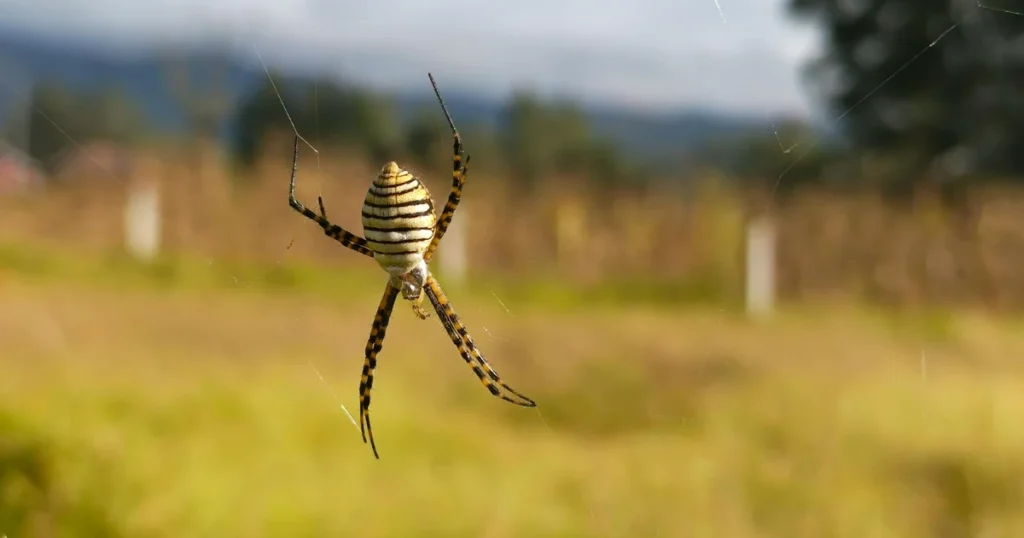
Spiders in Georgia can create costly problems when early signs are missed. Learn what to look for, why it matters, and when to call Proforce.
Key Takeaways About Georgia Spiders
- Most spiders in Georgia have jaws too small to bite humans and serve as beneficial predators that feed on pest insects.
- The Joro spider, native to east Asia and first found in northeast Georgia in 2014, builds large orb webs and can reach over an inch in body size with long legs.
- Only larger female black widow spiders can bite through human skin and inject enough venom to cause painful reactions.
- Yellow sac spider bites typically produce bee-sting-like pain, redness, and sometimes swelling.
- Closing small exterior gaps helps limit indoor spider traffic and reduces the insects spiders follow inside.
- When spider activity becomes persistent, a Proforce service professional can inspect your property and tailor a treatment plan to Georgia’s spider populations.
How to Identify Georgia Spiders
Georgia is home to a wide range of spider species, and knowing what to look for helps you decide when to call a professional. All spiders share the same basic body plan: eight legs, two body parts (a head region and an abdomen), and no wings or antennae. Beyond that shared structure, the species you encounter around your Georgia home can vary in size, color, and behavior.
Telling Common Georgia Species Apart
Southern house spiders are one of the most frequently spotted species indoors. They are generally drab in color and consume pests such as cockroaches, moths, and flies. Jumping spiders are compact and active hunters that stalk prey and leap many times their own body length rather than spinning webs. Their short, stocky body and quick movements make them easy to distinguish from web-building species.
The Joro spider, an invasive species first found in northeast Georgia in 2014, stands out because of its size. Adult females can reach up to 1¼ inches in body length with long legs, and they build large, sometimes gold-colored orb webs. The brown recluse is rare in Georgia and is known only in the northwest part of the state, where it remains uncommon.
How to Spot Spider Activity Inside Your Georgia Home
The clearest sign of spider activity is webbing. Look for webs in corners, along ceiling lines, behind furniture, and inside closets. Some species build messy, tangled webs in low-traffic areas, while orb weavers construct the classic spiral, wheel-shaped webs you may notice near windows or light fixtures. Shed skins and small egg sacs tucked into webbing also point to an established presence.
Not every species relies on webs. Jumping spiders, for example, roam freely across walls and countertops while hunting. Spotting these active hunters during the day is another reliable indicator of indoor activity.
Where Spider Activity Usually Shows Up in Georgia
Indoors, spiders gravitate toward quiet, undisturbed spaces. Garages, attics, storage rooms, and the areas beneath sinks tend to attract the most activity. Cluttered spaces offer more hiding spots, so keeping storage areas tidy can reduce the places spiders settle in.
Outdoors, you may notice webs on porches, eaves, fences, and landscape lighting. Joro spiders are especially visible outdoors because their large orb webs can span several feet between structures or trees.
Exterior Entry Points Spiders Use in Georgia
Spiders follow their prey. Because they feed on pest insects, any gap that lets smaller bugs inside also invites spiders in. Common entry points include gaps around door frames, cracks in window screens, openings where utility lines enter the home, and spaces beneath garage doors. Closing these access points helps reduce indoor spider traffic.
If you are noticing webs or live spiders regularly, a Proforce Pest Control service professional can inspect your home and recommend a plan that fits your situation. Spiders are covered under our general pest control service.
Why Spider Problems Develop in Georgia
Georgia homeowners often notice spiders indoors and around exterior walls, especially as seasons shift. Understanding why spiders thrive here starts with the state’s climate, the prey insects that draw them in, and the shelter your home provides. Once those factors overlap, spider activity can become a recurring concern.
Why Georgia’s Climate Supports Spider Activity
Georgia’s long, warm seasons create favorable conditions for insects year-round. That extended warm period means prey populations stay active longer, giving spiders a reliable food supply across much of the calendar. High humidity in many parts of the state also supports the insects spiders depend on, keeping the predator-prey cycle running well into fall.
Mild winters in central and southern Georgia allow certain spider species to remain active outdoors rather than dying off. This climate consistency means populations carry over from one year to the next, building density around homes over time.
Food and Shelter That Attract Spiders in Georgia
Spiders are predators that follow their food source. As UC IPM notes, spiders feed on pest insects, so any property with flies, moths, cockroaches, or other small prey will attract them. Exterior lighting that draws insects at night is one of the most common contributors to spider buildup near doorways, porches, and eaves.
Southern house spiders, for example, consume cockroaches, moths, and flies. Where those prey species concentrate around a structure, spiders establish webs or hunting grounds close by. Reducing insect activity around your home is one of the most direct ways to reduce spider pressure.
Why Georgia Spiders Adapt Around Homes
Homes offer sheltered corners, undisturbed storage areas, and abundant light sources that attract prey. Some species, like jumping spiders, do not build webs at all. They stalk and pounce on prey, making garages, sheds, and cluttered spaces ideal hunting territory. Web-building species favor eaves, window frames, and porch overhangs where flying insects are plentiful.
Georgia is also home to species that arrived more recently. The Joro spider, native to east Asia, was first found in northeast Georgia in 2014 and has since spread across parts of the state. Its large, conspicuous webs can appear on porches, between trees, and along fences.
Seasonal Shifts That Move Spiders in Georgia
As temperatures cool in autumn, spiders often move toward the warmth and shelter of your home’s interior. Cracks around doors, gaps in window screens, and openings near utility lines all serve as entry points. This seasonal migration is when most homeowners notice a sharp increase in indoor sightings.
Spring and summer bring a different pattern. Warmer weather drives insect populations higher outdoors, and spiders follow. Exterior webs multiply, and species that hunt without webs become more visible in gardens and along foundations. Staying ahead of these seasonal shifts helps keep spider numbers manageable around your property.
Risks From Georgia Spiders
Most spiders you encounter around your Georgia home pose little direct threat. The majority of species have jaws too small to break human skin, and spiders seen moving through open areas during the day are unlikely to bite. Still, a few species deserve attention, and large populations of any spider can create nuisance problems that affect your comfort and your property.
Health Risks Linked to Georgia Spiders
Georgia is home to two venomous spiders that homeowners should recognize. The black widow is the more commonly encountered of the two. The brown recluse, by contrast, is rare across the state and remains uncommon even in the northwest corner where it has been documented. Male southern house spiders are frequently mistaken for brown recluses, but you can tell them apart by eye count: the southern house spider has eight eyes in a single cluster, while the brown recluse has six eyes arranged in three distinct pairs.
Yellow sac spiders are another species worth noting. Their bites typically cause initial pain similar to a bee sting, along with redness and sometimes swelling, as UC IPM describes. If you experience a bite and symptoms worsen, consult a medical professional right away.
Property Damage From Spiders in Georgia
Spiders do not destroy wood, fabric, or structural materials the way other pests do. Their primary property impact is cosmetic. Webs collect dust and debris across eaves, corners, porches, and window frames, creating an unkempt appearance that requires regular cleaning. The Joro spider, documented in Georgia in 2014, builds especially large webs and deposits egg sacs containing hundreds of eggs on leaves, walls, tree bark, and nearby structures. Heavy webbing from Joro spiders and other species can become a persistent maintenance issue throughout warmer months.
Food Contamination Risks From Georgia Spiders
Spiders are not drawn to stored food the way ants or cockroaches are. They follow prey, not pantry items. However, spiders may build webs near kitchens, garages, or storage areas where other pests congregate. Webs and shed silk in food preparation zones are unsanitary, and the presence of spiders often signals a broader pest population that could pose its own contamination risks.
When a Spider Problem in Georgia Needs Action
A few spiders around your home can actually be helpful. Southern house spiders, for example, consume pests such as cockroaches, moths, and flies. But when webs appear faster than you can clear them, or when you spot spiders in bedrooms, closets, or living spaces regularly, the population has likely grown beyond what natural balance can manage.
That tipping point is the right time to call a professional. Proforce service professionals understand which Georgia species are present in your area and how to address the conditions that attract them. Spider activity that increases week over week, egg sacs on your home’s exterior, or any suspected venomous spider sighting all warrant a professional visit.
Professional Pest Control for Spiders in Georgia
Most spiders in Georgia are beneficial predators that feed on pest insects around your home. Still, when populations grow indoors or species like the black widow move in, professional control gives you a structured path forward. Proforce Pest Control combines property inspections with targeted treatment to reduce spider activity and keep your home comfortable year-round.
How to Reduce Attractants and Seal Entry Points
Spiders follow their food source. If other insects gather near your porch lights, doorways, or garage, spiders will settle nearby. Reducing outdoor lighting at night, switching to yellow-toned bulbs, and removing clutter from storage areas all make your property less inviting to spiders and the prey they hunt.
Sealing foundation cracks and gaps around windows and doors is one of the most practical steps you can take, as UC IPM recommends. Check weatherstripping, pipe penetrations, and soffit vents at least twice a year. Even small openings give spiders a direct route inside, so a caulk gun and door sweep go a long way toward limiting indoor encounters.
Why the Process Starts With a Professional Inspection
Every Proforce service visit begins with a detailed inspection. Your service professional walks the interior and exterior of your home, noting web locations, egg sacs, entry points, and the conditions attracting spiders. As the EPA notes, integrating multiple control methods based on site information gathered during inspection and monitoring is central to a sound pest management approach.
This inspection also identifies the species present, which matters in Georgia where species like the black widow spider can be found. If your service professional identifies any medically significant spider during inspection, the treatment plan is adjusted accordingly.
What to Expect During Professional Spider Treatment
Once inspection findings are documented, your service professional applies a combination of control methods tailored to your property. These can include web removal, physical exclusion, targeted product application in harborage areas, and ongoing monitoring to track results over time.
Rather than relying on routine blanket applications, this approach combines biological, cultural, physical, and targeted tools to manage spiders while minimizing risks to your household. Proforce service professionals focus treatment on confirmed activity zones, from eaves and crawl spaces to closets and garage corners, so every visit addresses real conditions, not guesswork.
What to Expect From a Georgia Spider Control Plan
Proforce builds ongoing treatment plans around the Proforce Guarantee and 35-pest coverage, which includes spiders as a primary call driver alongside ants and wasps. Your plan includes scheduled visits throughout the year, adjusted for seasonal shifts in spider activity across Georgia.
Between visits, your service professional documents changes and updates the plan as needed. With 11 locations across 5 states, Proforce pairs local knowledge of Georgia pest pressures with consistent service standards backed by a 92.5 NPS and over 23,000 reviews. If spiders return between scheduled visits, reach out and your team will follow up. Done Right. Every Time.
Bottom Line on Spiders in Georgia
Most spiders you encounter around your Georgia home are beneficial predators that feed on pest insects. Species like the southern house spider consume cockroaches, moths, and flies, making them helpful neighbors in small numbers. The brown recluse is rare and limited to the northwest part of the state, while the Joro spider has become a familiar sight but poses little threat. The real concern is when spider populations grow indoors or venomous species like the black widow settle near living spaces.
Exclusion is your best first step. When activity increases beyond what you can manage, Proforce can assess your property and build an ongoing treatment plan that keeps spider numbers in check.
Frequently Asked Questions About Spiders in Georgia
Are Most Georgia Spiders Dangerous?
The majority of spiders in Georgia are not dangerous to people. Many, including the southern house spider, are beneficial because they prey on common household pests. Spiders seen out in the open during the day are unlikely to bite. Black widows can cause reactions ranging from mild to serious, though death is unlikely when medical treatment is available, as UC IPM notes. Exercise caution around dark, undisturbed areas, but understand that most encounters carry minimal risk.
How Can I Tell a Brown Recluse from a Southern House Spider?
Eye arrangement is one reliable way to distinguish the two. Male southern house spiders have eight eyes grouped together, while brown recluses have six eyes arranged as three pairs. Brown recluse spiders are rare in Georgia and are known only in the northwest portion of the state, where they remain uncommon. If you are unsure about a spider you have found, a Proforce service professional can help with identification during a scheduled visit.
What Attracts Spiders Into My Home?
Spiders follow their food supply. Homes with active insect populations, including flies, moths, and cockroaches, create an inviting environment. Outdoor lighting that draws insects also draws spiders closer to entry points. Repair foundation openings, tighten window and door seals, and keep landscaping trimmed away from exterior walls to remove sheltered pathways spiders use to reach your siding and eaves.
When Should I Call a Professional About Spiders?
A few spiders outdoors are normal and even helpful. Contact Proforce Pest Control when you notice frequent indoor sightings, webs appearing faster than you can clear them, or signs of venomous species near high-traffic areas. Our general pest control plan covers spiders along with 35 other pests, and ongoing treatment keeps populations from rebounding. Reach out to request a quote and schedule your first visit.