
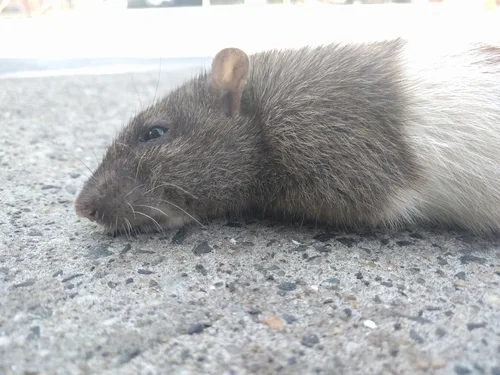
Rats in Florida can create costly problems when early signs are missed. Learn what to look for, why it matters, and when to call Proforce.
Key Takeaways About Florida Rats
- Yes, rats are among the rodents that Florida homeowners encounter, and multiple species can establish themselves in and around residential properties.
- Rodents can damage buildings, contaminate food, and transmit diseases to people, making early detection important.
- Rats may hide in crawl spaces, wall voids, and other hard-to-reach areas, which makes locating the source of an infestation difficult.
- Bait station products registered for house mice and rats are available, but proper placement and monitoring matter for results.
- Ongoing rodent control from a trained service professional helps keep your home protected over time, not just after a single visit.
- Proforce Pest Control offers rodent control and removal across its service area, backed by the Proforce Guarantee.
Florida’s warm climate and abundant vegetation give rats plenty of reasons to settle near homes. Throughout this guide, you will learn how to identify the rodents commonly found in the state, understand the risks they pose, and discover what a structured control plan looks like. If you suspect a rodent problem, requesting a professional inspection is the fastest way to pinpoint where rats live and how they are getting inside.
How to Identify Florida Rats
Knowing what to look for is the first step toward protecting your home. Rats can move through tight spaces and stay hidden for weeks before you notice obvious signs. Understanding the differences between common species, recognizing indoor activity, and checking the right spots around your property will help you act quickly.
Telling Common Florida Species Apart
Florida is home to more than one rat species, and each behaves differently. Roof rats tend to be sleek with long tails, while Norway rats are stockier and heavier. Telling them apart matters because their nesting habits and preferred pathways differ. Roof rats favor elevated areas, whereas Norway rats stay closer to ground level. Accurate identification helps your service professional target the right zones during an inspection.
How to Spot Rat Activity Inside Your Florida Home
Droppings are one of the earliest and most reliable indicators. Dark, pellet-shaped droppings along baseboards, inside cabinets, or near stored food point to an active presence. Gnaw marks on food packaging, wiring, or wood framing are another clear signal. You may also notice greasy rub marks along walls where rats travel the same route repeatedly.
Sounds matter too. Scratching or scurrying noises in walls or ceilings, especially at night, often confirm that rats have moved indoors. Cleaning up stored food messes also minimizes food sources for mice and rats, so pay attention to pantry areas where spills accumulate unnoticed.
Where Rat Activity Usually Shows Up in Florida
Rats commonly nest in crawl spaces, attics, and wall voids, where they find shelter and proximity to food sources. They shred available materials such as insulation, cardboard, and fabric to build their nests. These sheltered areas offer warmth, quiet, and proximity to food. Florida homes with attic access points or unsealed wall voids are especially vulnerable. Check these spaces regularly for shredded material, droppings, or chewed openings.
Excessive moisture in sub-floor crawl spaces or basements can also attract rats looking for water. Taking measures to dry out these areas reduces the conditions that draw them in.
Exterior Entry Points Rats Use in Florida
Rats squeeze through surprisingly small gaps. Openings around utility lines, roof returns, soffit vents, and foundation cracks all serve as entry points. Overgrown landscaping that touches the roofline gives roof rats a direct bridge onto your home. Tree limbs within a few feet of the structure should be trimmed back.
Garage doors with worn weather stripping, uncapped plumbing vents, and gaps around A/C lines are common weak spots in Florida homes. A thorough perimeter check by a Proforce service professional can pinpoint these vulnerabilities so they are addressed before rats settle in. If you suspect activity, request an inspection through Proforce to get ahead of the problem.
Why Rat Problems Develop in Florida
Florida’s warm, humid environment and abundant vegetation create conditions that allow rat populations to thrive year-round. Understanding the pressures that push rats toward your home helps you stay a step ahead. From available food sources to seasonal weather shifts, several factors work together to sustain rat activity across the state.
Why Florida’s Climate Supports Rat Activity
Florida’s subtropical climate means mild winters and long, warm growing seasons. Unlike northern states, where cold weather slows rodent reproduction, Florida’s temperatures allow rats to breed and forage throughout the year. High humidity also supports dense landscaping and fruit-bearing trees, giving rats natural cover and consistent access to food sources close to residential neighborhoods.
Food and Shelter That Attract Rats in Florida
Rats are opportunistic feeders, and Florida properties often provide exactly what they need. Fallen citrus, open compost bins, and unsecured trash cans create easy food sources around the exterior of a home. Indoors, pantry items and pet food left in open bags or bowls are common attractants. According to Oregon State University Solve Pest Problems, cleaning up stored food messes minimizes food sources for mice and rats. Even bird feeders and outdoor pet food dishes can draw rats onto your property after dark.
Why Florida Rats Adapt Around Homes
Rats are resourceful when it comes to finding shelter. They settle into crawl spaces, wall voids, and damp basements where they can nest undisturbed. Overgrown shrubs, palm trees, and wood piles near the foundation give rats pathways to access your roof and attic. Once they locate reliable food sources and a protected nesting spot, they establish routes they use repeatedly, making early detection important.
Seasonal Shifts That Move Rats in Florida
While Florida does not experience harsh winters, seasonal rain and tropical storms can drive rats to seek drier, more stable shelter. Heavy downpours flood burrows and ground-level nesting areas, pushing rats toward garages, sheds, and interior walls. During drier stretches, rats venture further in search of water and food sources, often moving closer to homes with pet food or accessible garbage. These seasonal pressures keep rat activity a year-round concern for Florida homeowners rather than a problem limited to any single season.
Risks From Florida Rats
Rats are more than a nuisance when they move into your home. According to NPIC, rodents can damage buildings, contaminate food, and transmit diseases to people. Understanding these risks helps you act quickly and protect your household before a small problem grows into a costly one.
Health Risks Linked to Florida Rats
Rats can transmit diseases to people, making prompt action essential. In Florida’s warm, humid climate, rat populations remain active year-round, which means exposure risks persist in every season. Keeping rats out of your living spaces is one of the most important steps you can take for your family’s well-being.
Rats also nest in attics, crawl spaces, and wall voids, bringing contamination deep inside your home’s structure. The longer they remain, the more droppings and debris accumulate in areas that are difficult to reach and clean.
Property Damage From Rats in Florida
Rodents can damage buildings by gnawing through materials throughout your home. The longer rat activity goes unaddressed, the more cleanup and repair work the problem can create.
Rats also nest in crawl spaces, attics, and wall voids, bringing contamination into hard-to-reach areas of your home. As Mississippi State University Extension notes, caches of seeds or nuts stored in wall voids by rats can support heavy secondary pest infestations, making the original problem even harder to trace and resolve.
Food Contamination Risks From Florida Rats
Rats forage at night and move freely between outdoor waste and your kitchen. Anywhere they travel, they leave behind droppings, urine, and hair. Pantry items, pet food bags, and unsealed containers are all vulnerable. Even surfaces that look clean can carry traces of contamination after a rat crosses them.
Because rats tend to follow the same paths repeatedly, contamination concentrates along baseboards, countertops, and storage shelves. Promptly addressing the issue protects both stored food and the surfaces where you prepare meals.
When a Rat Problem in Florida Needs Action
If you hear scratching in walls or ceilings, find droppings along baseboards, or notice gnaw marks on food packaging, it is time to act. Rats reproduce quickly, so a small number today can grow into a much larger population within weeks.
Proforce Pest Control offers rodent control and removal backed by the Proforce Guarantee. Our service professionals know what to look for in Florida homes and can identify entry points, nesting sites, and activity patterns. If you suspect rats in your home, request a quote at proforcepest.com to get started. Done Right. Every Time.
Professional Pest Control for Rats in Florida
If you suspect rats in your Florida home, a structured approach gives you the best chance of getting ahead of the problem. Prevention, a thorough inspection, and a professional control plan work together to protect your property over the long term. Here is what that process looks like with Proforce Pest Control.
How to Reduce Attractants and Seal Entry Points
Rats follow food, water, and shelter. Start by storing pantry goods in sealed containers and keeping pet food picked up overnight. Tighten lids on outdoor trash cans and remove fallen fruit from your yard promptly. These simple steps cut down on the resources rats rely on.
Next, focus on access points. Gaps around utility lines, roof vents, and garage door seals can all serve as entry routes. Seal openings with durable materials such as steel wool or metal flashing. Caches of seeds or nuts stored inside wall voids can sustain heavy activity, and according to Mississippi State University Extension, the source of those hidden stockpiles is usually difficult to pinpoint on your own.
Why the Process Starts With a Professional Inspection
A professional inspection is the foundation of any rat control plan. Your home may have activity in areas you rarely check, including crawl spaces, attic lines, and wall voids. As the University of Minnesota Extension notes, you may require an inspection of your home for rodent activity, especially if it has a crawl space. A trained eye catches droppings, rub marks, and gnaw damage that confirm where rats are traveling.
Proforce service professionals know what to look for in Florida homes. They document the scope of activity, identify entry points, and map a plan before any treatment begins. This inspection-first approach keeps the work targeted and accountable, which is central to how Proforce operates across all 11 locations.
What to Expect During Professional Rat Treatment
Once the inspection is complete, your Proforce service professional will recommend a treatment strategy tailored to your home. Traps are a core tool for controlling rats. When baits are part of the plan, they are placed inside tamper-resistant bait stations made of durable plastic or metal and positioned where children and pets cannot reach them. That placement protocol follows guidance outlined by EPA.
Multiple registered bait station products exist for rat control. Rodenticides require careful handling because other species can also be affected by them. That is why Proforce relies on trained service professionals rather than leaving product selection and placement to guesswork.
What to Expect From a Florida Rat Control Plan
A one-time visit rarely resolves a rat issue for good. Proforce builds ongoing control plans that include follow-up visits, monitoring, and continued exclusion work. Your service professional will check stations, reset traps as needed, and verify that sealed entry points are holding up over time.
Every plan is backed by the Proforce Guarantee and supported by a team that has earned a 92.5 NPS across more than 23,000 reviews. If you are wondering whether there are rats in your Florida home, requesting an inspection is the fastest way to get a clear answer. Reach out to your local Proforce branch to schedule one and get a customized quote. Done Right. Every Time.
Bottom Line on Rats in Florida
Yes, rats live throughout Florida, and the warm, humid climate gives them year-round access to food, water, and shelter in and around homes. Rodents can damage buildings, contaminate food, and transmit diseases to people. Trapping, exclusion, and tamper-resistant bait stations all play a role in control, but the most reliable approach combines professional monitoring with consistent upkeep around your property. Proforce Pest Control offers rodent control and removal backed by our Proforce Guarantee and supported by service professionals who know your local area. Reach out for a quote to get started.
Frequently Asked Questions About Rats in Florida
What Attracts Rats to My Home?
Rats follow food and shelter. Unsealed garbage, pet food left outdoors, and fruit from backyard trees all draw them in. Seeds or nuts cached inside wall voids can support heavy infestations that are difficult to trace back to a single source. Reducing these attractants is the first step in keeping rats away from your living spaces.
Are DIY Bait Stations Worth Trying?
Ready-to-use bait stations are registered for use against rats and mice, and more than a dozen products are available to homeowners, according to UF/IFAS Extension. However, if you use baits, they must sit inside tamper-resistant stations made of durable plastic or metal, placed where children and pets cannot reach them. Many homeowners find that professional-grade programs deliver more consistent results.
How Do Professionals Handle Rat Problems?
Proforce service professionals start with a thorough inspection to locate entry points and activity zones. From there, they set traps, seal gaps, and monitor progress on a recurring schedule. This layered approach addresses both the current population and the conditions that attracted rats in the first place.
Can Rats Come Back After Treatment?
They can if entry points remain open or food sources stay available. Ongoing treatment is the most reliable way to catch new activity early. Proforce offers recurring rodent control plans so your home stays protected between visits. Contact us to request a quote tailored to your property.