 Skip to content
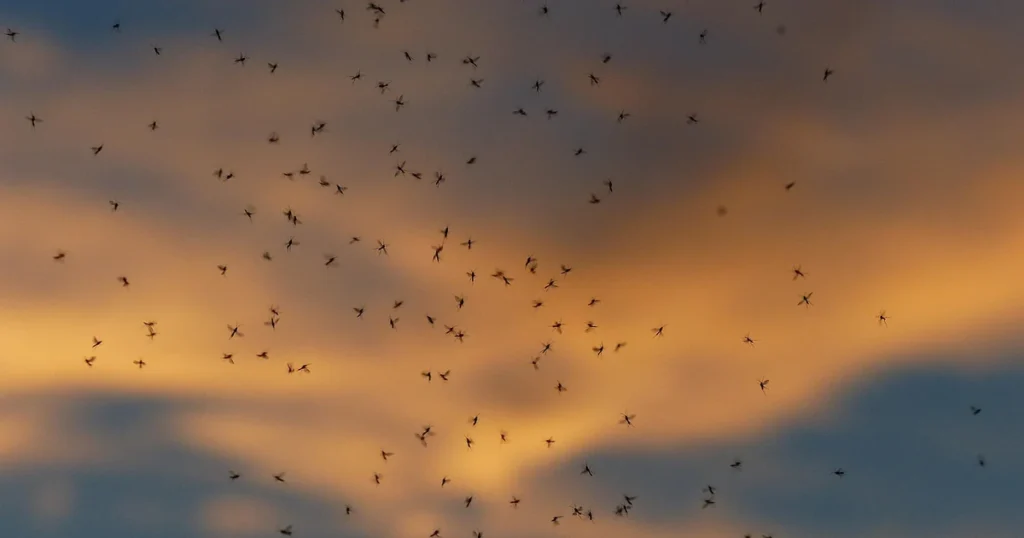
Mosquitoes in Florida can create costly problems when early signs are missed. Learn what to look for, why it matters, and when to call Proforce.
Key Takeaways About Florida Mosquitoes
Yes, mosquitoes are well established across Florida. Before diving into species details, risks, and yard protection strategies, here are the key points every homeowner should know.
- Florida is home to multiple mosquito species, including the black salt marsh mosquito and Aedes aegypti, the yellow fever mosquito.
- Mosquito-borne diseases present in the state include St. Louis encephalitis, eastern equine encephalitis, and West Nile encephalitis.
- Female mosquitoes require a blood meal to develop their eggs, which is why they bite people and pets.
- Standing water in planters, buckets, kiddie pools, and bromeliads creates breeding sites right in your yard.
- Reducing standing water, wearing protective clothing, and using repellents all help lower your chance of mosquito bites.
- Ongoing mosquito control that combines barrier treatments, larvicide, and source reduction gives your property consistent coverage throughout the season.
How to Identify Florida Mosquitoes
Florida is home to multiple mosquito species, and telling them apart starts with knowing what to look for on the body. Most adults are slender, long-legged insects with a single pair of wings and a needle-like proboscis used for feeding. Females of most mosquito species require a blood meal to develop their eggs, while both males and females feed on nectar and plant juices for energy.
Size, color patterns, and banding on the abdomen vary from one species to the next, so a closer look helps you understand what is active around your yard.
Telling Common Florida Species Apart
The black salt marsh mosquito (Aedes taeniorhynchus) is one of the more recognizable mosquito species in the state. According to UF/IFAS Extension, it displays white banding on the basal section of its abdominal segments, white coloration on the tips of the palps, and a ring of white scales on the middle of the proboscis. These markings set it apart from other dark-bodied Aedes mosquitoes you may encounter near coastal areas.
Another mosquito species found in eastern North America, including Florida, is Culiseta melanura. Its name means “dark-colored tail,” referring to the overall dark coloration of the abdomen. Distinguishing between species matters because different mosquito species can play different roles as bridge vectors between birds and mammals.
How to Spot Mosquito Activity Inside Your Florida Home
Mosquitoes that enter your home often rest on walls, ceilings, and shaded corners during the day. You may hear a high-pitched whine near your ears at night or notice itchy bites after sleeping. Some mosquito species are active at dawn and dusk, while others feed throughout the day, so indoor activity can happen at almost any hour. Spotting even a few adults inside usually points to an entry path or nearby breeding source worth investigating.
Where Mosquito Activity Usually Shows Up in Florida
Outdoors, mosquito activity concentrates around standing water and shaded vegetation. Birdbaths, clogged gutters, plant saucers, and low spots where water pools all provide the still water that mosquito species need for egg-laying and larval development. Shaded foliage and covered patios serve as resting sites between feeding flights. If you notice persistent biting near specific parts of your yard, a breeding source is likely close by.
Exterior Entry Points Mosquitoes Use in Florida
Mosquitoes follow carbon dioxide and body heat toward your home, then slip through gaps around doors, torn window screens, and unsealed garage entries. Open doors and windows during warm evenings create easy access. Laundry vents and attic soffit gaps can also let adults drift inside. Keeping screens intact and doors closed, especially around dusk, reduces the number of mosquito species that make it indoors. If activity persists despite your efforts, a Proforce service professional can assess your yard and recommend a targeted treatment plan.
Why Mosquito Problems Develop in Florida
Why Florida’s Climate Supports Mosquito Activity
Florida’s warm temperatures and high humidity create year-round conditions that support mosquito populations. The state’s flat terrain holds water in marshes, swales, and low-lying areas, giving larvae consistent places to develop. Coastal salt marshes serve as primary larval habitats for certain species, and according to UF/IFAS Extension, these mosquitoes have a long flight range and can be found far inland throughout the state. That reach means mosquito pressure is not limited to waterfront properties.
Food and Shelter That Attract Mosquitoes in Florida
Adult mosquitoes feed on nectar and other plant juices for energy. As UF/IFAS Extension notes, females of most mosquito species require a blood meal in order to nourish and develop their eggs. Florida yards full of lush landscaping, shaded foliage, and flowering plants offer both sugar sources and cool resting spots during the day. The combination of readily available plant nectar and nearby hosts makes residential properties attractive to breeding females.
Standing water is the other critical draw. Planters, buckets, kiddie pools, and bromeliads all collect enough moisture for larvae to develop. Removing these water sources is a practical first step in reducing the population around your home.
Why Florida Mosquitoes Adapt Around Homes
Multiple species thrive across the state, and some have spread aggressively into residential areas. According to UF/IFAS Extension, Aedes albopictus has spread throughout all 67 of Florida’s counties. Its arrival has been linked to a decline in the distribution of the yellow fever mosquito, Aedes aegypti. This kind of species turnover means homeowners may encounter different mosquitoes over time, each with its own habits and biting patterns.
Eleven mosquito species found in Florida have been identified as hosts of Dirofilaria immitis, a concern for pet owners. The variety of species present makes consistent, ongoing mosquito control a priority rather than a one-time task.
Seasonal Shifts That Move Mosquitoes in Florida
Rainfall patterns and temperature shifts influence how mosquito populations rise and fall throughout the year. After heavy rain, standing water accumulates in containers, ditches, and low spots across your yard, fueling the next wave of larvae. During drier stretches, certain coastal species still maintain their numbers in salt marsh habitats and move inland.
Because conditions in Florida can support mosquito activity across a broad window, staying ahead of population surges matters. Proforce Pest Control uses barrier treatments, larvicide for stagnant water that cannot be removed, and ongoing monitoring to help reduce mosquito pressure around your home throughout the year.
Risks From Florida Mosquitoes
Florida mosquitoes are far more than a backyard annoyance. Their bites can carry diseases that pose real health concerns for your family and pets. Understanding those risks helps you decide when ongoing mosquito control is worth the investment for your home.
Health Risks Linked to Florida Mosquitoes
According to UF/IFAS Extension, the most important mosquito-borne diseases in Florida are St. Louis encephalitis, eastern equine encephalitis, and West Nile encephalitis. These viruses are transmitted through mosquito bites, making bite prevention a priority for every Florida homeowner.
The threat extends to your pets as well. Black salt marsh mosquitoes have been known to transmit the filarial worm Dirofilaria immitis, commonly known as dog heartworm. Eleven mosquito species identified as competent hosts of this parasite are found in Florida, creating year-round exposure for dogs that spend time outdoors.
Homeowners should be vigilant about preventing mosquito bites to reduce the risk of contracting diseases. Personal protection and consistent yard management both play a role in keeping your household safer.
Property Damage From Mosquitoes in Florida
Mosquitoes do not cause structural or property damage the way termites or rodents do. Their primary impact is on your ability to use and enjoy your outdoor living space. Persistent mosquito activity can make patios, pools, and yards uncomfortable for you, your family, and your guests throughout much of the year.
Food Contamination Risks From Florida Mosquitoes
Mosquitoes are not associated with food contamination in the way that cockroaches or flies can be. Their risk centers on disease transmission through bites rather than contact with food surfaces or stored goods. Keeping mosquitoes away from gathering areas still matters during outdoor meals and cookouts, where exposed skin invites bites.
When a Mosquito Problem in Florida Needs Action
Standing water on your property is the single biggest warning sign. Tires, flowerpots, buckets, rain barrels, clogged gutters, pet water dishes, and overflow trays for potted plants all give mosquitoes a place to breed. Removing or emptying these containers frequently is a critical first step.
When DIY efforts are not enough to keep mosquito populations down, professional treatment can make a measurable difference. Proforce Pest Control uses a barrier treatment applied to foliage and shaded resting sites, combined with a larvicide for stagnant water that cannot be removed. Each visit takes roughly thirty minutes, and the Pest-free Service Warranty covers you for reservice at no extra charge if mosquitoes persist between scheduled treatments.
Professional Pest Control for Mosquitoes in Florida
Yes, there are mosquitoes in Florida, and managing them on your property requires more than a single spray. A layered approach that combines prevention, inspection, and ongoing treatment gives you the best chance of reclaiming your outdoor space. Proforce Pest Control uses a threefold mosquito control process designed for Florida’s persistent mosquito pressure.
How to Reduce Attractants and Seal Entry Points
The most direct step you can take is removing standing water where mosquitoes breed. According to UF/IFAS Extension, emptying planters, buckets, kiddie pools, bromeliads, and other containers removes larval habitats. Walk your yard weekly and tip, drain, or cover anything that collects water, including clogged gutters and saucers under potted plants.
Because mosquitoes rarely breed indoors, your focus should stay on the yard. Keep doors and windows closed or screened to prevent adults from following you inside. Trim dense vegetation and shrubs where adult mosquitoes rest during the heat of the day, reducing the shaded harborage they rely on between blood meals.
Why the Process Starts With a Professional Inspection
Florida hosts a wide range of mosquito species, and control strategies for these populations are complex. They often involve integrated approaches that combine source reduction, surveillance, and larviciding, as UF/IFAS Extension notes. A Proforce service professional inspects your property to identify active breeding sites, resting areas in foliage, and conditions that attract mosquitoes back after rain.
This inspection shapes the treatment plan for your specific yard. Not every property needs every tool. Some yards benefit from trapping along the property line, while others need targeted larvicide in low-lying areas where water collects. The inspection ensures the right methods are applied in the right places.
What to Expect During Professional Mosquito Treatment
Each Proforce mosquito treatment follows a threefold process. First, a barrier treatment is applied to foliage, shaded areas, and resting sites using a mister or blower. Second, a larvicide called Altosid is applied to stagnant water that cannot be removed, preventing larvae from developing. Third, when applicable, Inzecto Mosquito Traps are placed along property lines and monitored monthly.
Each treatment takes approximately thirty minutes, though larger yards may require more time. Before your appointment, clear the yard of pet food, water bowls, toys, and any items that may be handled or placed in the mouth. Keep people and pets out of treated areas, and keep pets away for at least four hours after treatment.
What to Expect From a Florida Mosquito Control Plan
Proforce builds ongoing mosquito control plans because Florida’s climate supports mosquito activity across much of the year. The barrier product used at most locations, Suspend Polyzone, is designed to hold up even after rainfall. The In2Care system attracts mosquitoes that have ingested its liquid and spreads it to water areas, reducing the population over time and helping maintain results between visits.
Every plan is backed by the Proforce Pest-free Service Warranty. If mosquitoes persist between scheduled treatments, you can call for a reservice at no extra charge. Local Proforce service professionals know the specific mosquito pressures in your area, so your plan reflects what your property actually faces. Request a quote to get started with a plan tailored to your yard.
Bottom Line on Mosquitoes in Florida
Yes, mosquitoes are a year-round reality in Florida. The state’s warm climate, abundant rainfall, and coastal marshes create ideal breeding conditions for dozens of species, some of which carry serious diseases. Reducing standing water on your property and scheduling professional barrier treatments are the two most impactful steps you can take. Proforce Pest Control uses a threefold approach of barrier treatment, larvicide application, and mosquito trapping to reduce populations around your yard. If mosquitoes persist between visits, the Pest-free Service Warranty covers reservice at no extra charge.
Frequently Asked Questions About Mosquitoes in Florida
What Diseases Do Mosquitoes Carry in Florida?
According to UF/IFAS Extension, the most important mosquito-borne diseases in the state are St. Louis encephalitis, eastern equine encephalitis, and West Nile encephalitis. These viruses are transmitted when an infected mosquito bites a human host. Staying aware of local mosquito activity and using personal protection measures helps lower your risk of exposure.
How Do I Reduce Mosquitoes in My Yard?
Remove any standing water from tires, flower pots, buckets, rain barrels, gutters, and pet water dishes. Change bird bath water frequently and empty overflow dishes under potted plants. For areas where standing water cannot be removed, a larvicide treatment targets larvae before they mature. Proforce service professionals apply barrier treatments to foliage and shaded resting sites to further reduce adult mosquito activity.
Should I Use DEET and Sunscreen Together?
UF/IFAS Extension guidance advises against combination products that include both DEET and sunscreen. Sunscreen needs generous, frequent application, while DEET should be applied less often. Use each product separately so you can reapply sunscreen as needed without overusing repellent.
How Long Does a Professional Mosquito Treatment Last?
Each Proforce mosquito treatment takes roughly thirty minutes, though larger yards may require more time. The barrier product is applied to foliage and shaded surfaces where mosquitoes rest, and the larvicide works in standing water that cannot be drained. If mosquitoes return between scheduled visits, you can call for a reservice under the Pest-free Service Warranty at no extra charge. Contact Proforce Pest Control to request a quote for your property.