
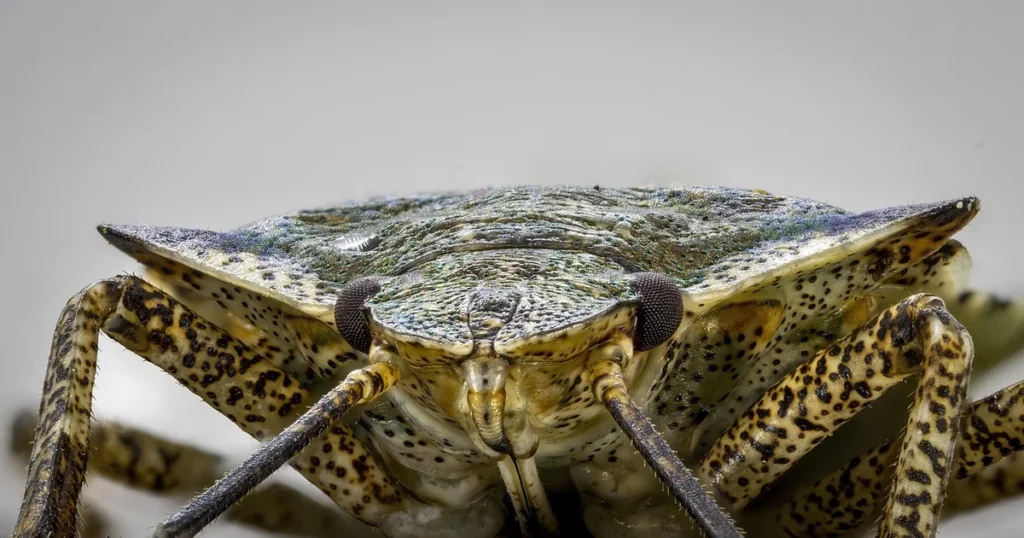
Stink Bugs in Florida can create costly problems when early signs are missed. Learn what to look for, why it matters, and when to call Proforce.
Key Takeaways About Florida Stink Bugs
Yes, stink bugs live in Florida, and the state hosts both crop-damaging species and beneficial predatory species. Here is what homeowners should know before taking action.
- Multiple species present. Florida is home to plant-feeding stink bugs that harm crops and fruit, as well as the Florida predatory stink bug, a beneficial insect that feeds on plant-eating pests.
- Three life stages. Stink bugs develop through egg, nymph, and adult stages. Both nymphs and adults can feed on fruit and crops, causing visible damage.
- Crop and garden risk. Plant-feeding stink bugs target a large number of high-value crops and ornamental plants during their immature and adult stages.
- Nuisance indoors. Adult stink bugs may seek shelter to overwinter inside houses and other buildings, sometimes appearing in large numbers. They do not bite people or animals, and they do not damage buildings.
- Predatory species are allies. The Florida predatory stink bug preys on beetles, caterpillars, and other plant-feeding insects, making it a helpful presence in your yard.
How to Identify Florida Stink Bugs
Stink bugs share a distinctive shield-shaped body, but the species you encounter in Florida vary widely in color and behavior. Adults and nymphs display coloration that ranges from bright, contrasting patterns like black and orange to a relatively uniform brown, gray, or green. Knowing what you are looking at helps you decide whether the bug is a garden pest, a no real threat visitor, or a beneficial predator worth keeping around.
Telling Common Florida Species Apart
The brown stink bug (Euschistus servus) is one of the most common species in Florida. According to UF/IFAS Extension, it is a serious pest of seed, grain, nut, and fruit crops across the southern U.S. Its dull brown coloring helps it blend into bark and dried leaves. Other stink bug species cause similar crop damage in central and south Florida peach orchards and pecan groves.
The brown marmorated stink bug (Halyomorpha halys) is an invasive species that feeds on various tree fruits and fruiting vegetables. Its nymphs and adults feed on more than 200 species of plants, making it one of the most wide-ranging feeders. Not every species is a pest, though. Predatory species like the spined soldier bug and twospotted stink bug actually prey on plant-feeding insects, including beetles and caterpillars.
Nymphs can be tricky to identify. Hatching nymphs are nearly round, and their coloration may or may not resemble that of the adults of the same species. If you spot small, round insects near garden plants, they could be juvenile stink bugs at any stage of development.
How to Spot Stink Bug Activity Inside Your Florida Home
The most obvious sign is the pungent odor stink bugs release when disturbed or crushed. You may also notice live or dead adults clustered on sunny interior walls, windowsills, or light fixtures. Because multiple species are present in Florida, indoor bugs may appear brown, green, or mottled gray depending on the species involved.
Check curtains and blinds where warmth collects during cooler months. Stink bugs gravitate toward these spots when they move indoors seeking shelter. Small brown or gray smears on fabric or walls can indicate that bugs have been resting in the same area over time.
Where Stink Bug Activity Usually Shows Up in Florida
Inside the home, attics and upper-story rooms are common gathering points because warm air rises. Garages, utility rooms, and HVAC closets also attract these insects. Outdoors, look for feeding damage on fruit trees, vegetable gardens, and ornamental shrubs. Stink bugs pierce plant tissue to feed, which can leave dimpled or discolored spots on fruit and foliage.
Exterior Entry Points Stink Bugs Use in Florida
Stink bugs enter through surprisingly small gaps. Cracks around door frames, torn window screens, gaps where utility lines pass through siding, and openings along the roofline are the most common routes. Soffit vents without intact mesh also provide easy access. Sealing these entry points is one of the first steps toward reducing indoor activity.
If you are noticing stink bugs congregating around your home and want a professional assessment, Proforce Pest Control can help. Our service professionals understand the species mix in your area and can recommend a targeted approach. Request a quote to get started.
Why Stink Bug Problems Develop in Florida
Stink bugs thrive in Florida because the state offers a combination of warm temperatures, abundant host plants, and accessible shelter. Understanding what draws these pests closer to your property helps you recognize early warning signs and take action before numbers grow.
Why Florida’s Climate Supports Stink Bug Activity
Florida’s long growing season keeps vegetation green for much of the year. That extended warmth means stink bugs have more time to feed, develop, and reproduce compared to cooler climates. Mild winters also reduce the natural mortality that eggs and nymphs face in northern states, allowing populations to carry over from one season to the next.
Humidity plays a role as well. Moist conditions support the plants stink bugs depend on and sustain the smaller insects that predatory stink bug species hunt as prey. The result is a landscape that consistently supports multiple stink bug species at once.
Food and Shelter That Attract Stink Bugs in Florida
Brown stink bugs feed on the vegetative parts, flowers, stems, foliage, seeds, nuts, and fruit of plants, making them a concern for gardens and landscapes alike. According to the University of Minnesota Extension, BMSB nymphs and adults feed on more than 200 species of plants. Florida yards often contain many of these host species, from ornamental shrubs to citrus trees and vegetable gardens.
Predatory stink bug species also live in Florida, and their prey consists primarily of plant-feeding insects such as beetles and caterpillars. While these predatory species are beneficial, homeowners often cannot tell them apart from the plant-damaging varieties, which leads to confusion about the scope of a stink bug problem.
Why Florida Stink Bugs Adapt Around Homes
Stink bugs do not bite people or animals, and they do not damage buildings. However, they are a nuisance because adults often seek shelter inside houses and other structures. According to the EPA, large infestations can be a nuisance once adult stink bugs find their way inside houses and other buildings. Common entry points include gaps around windows, doors, and siding.
Your home provides consistent temperatures and protection from natural predators and parasites. Stink bug eggs and nymphs in the wild often suffer high mortality from parasites, predators, and pathogens. Structures offer a refuge that helps adult stink bugs survive longer, which is why they gravitate toward residential spaces.
Seasonal Shifts That Move Stink Bugs in Florida
As outdoor conditions change, stink bugs adjust their behavior. Cooler overnight temperatures push adults to seek warmer surfaces, often the sun-facing walls of your home. Because adults tend to aggregate, the distribution of stink bugs around a property may be highly concentrated along edges or borders of landscaping.
During warmer months, stink bugs spread out among host plants to feed and lay eggs. When those plants finish fruiting or temperatures dip, the same insects move toward your foundation and roofline. Proforce Pest Control service professionals understand these patterns and can help you identify entry points before stink bugs settle in for the season.
Risks From Florida Stink Bugs
Stink bugs in Florida range from nuisance invaders to crop-damaging pests, depending on the species. Understanding the specific risks they pose helps you decide when to call in a professional and when to simply leave them alone. Below is a breakdown of the concerns Florida homeowners should keep in mind.
Health Risks Linked to Florida Stink Bugs
The good news for Florida homeowners is that stink bugs pose minimal direct health risks. According to EPA, stink bugs do not bite people or animals. They do not bite people or animals and are not known to cause structural damage to buildings. Their primary defense is the foul-smelling secretion they release when threatened or crushed, which can be unpleasant but is not a medical concern.
That said, large numbers of these pests gathering inside your home can become a persistent nuisance. The odor they produce may linger on fabrics and surfaces, creating an uncomfortable living environment even though it is not dangerous.
Property Damage From Stink Bugs in Florida
Stink bugs do not damage buildings, walls, or structural components of your home. Their interest in entering houses is purely about finding shelter, particularly during cooler months when adults seek overwintering sites. No wood, drywall, or wiring is at risk from their presence.
The real property damage from these pests targets your yard and garden. Brown stink bug feeding inhibits root mass development in plants, leaving them more vulnerable to pathogens and attack by other pests. According to UF/IFAS Extension, this weakened state can compound over time, turning a minor feeding issue into broader plant decline. Other stink bug species cause similar damage to central and south Florida peach trees and pecan crops.
Food Contamination Risks From Florida Stink Bugs
Brown marmorated stink bugs are a serious threat to fruit and fruiting vegetable crops. If you grow tomatoes, peppers, peaches, or similar produce at home, these pests can feed directly on ripening fruit and render it unusable. The feeding damage can leave scarring and blemishes on fruit, making it unsuitable for use.
Brown stink bugs also target grain and seed crops, killing small seedlings or producing stunted growth. For Florida homeowners with vegetable gardens or small hobby orchards, stink bug feeding can wipe out a season’s worth of effort.
When a Stink Bug Problem in Florida Needs Action
A single stink bug indoors is no cause for alarm. However, when you notice clusters of these pests gathering around windows, doors, or attic spaces, the situation may call for professional attention. Large indoor populations create persistent odor problems and are difficult to manage with DIY approaches alone.
Outdoors, action is warranted when you spot feeding damage on garden plants or fruit. Proforce Pest Control service professionals can assess the species involved and recommend a targeted plan. Contact your local Proforce branch to request a quote and get ahead of the problem before these pests spread further across your property.
Professional Pest Control for Stink Bugs in Florida
Stink bugs can become a persistent nuisance around Florida homes, especially when they feed on garden plants and ornamentals or seek shelter indoors during cooler months. A structured approach that combines exclusion, inspection, and ongoing treatment gives you the best chance of keeping these pests out of your living space. Proforce Pest Control brings local knowledge from every branch, so your service professional understands the species and conditions specific to your area.
How to Reduce Attractants and Seal Entry Points
Stink bugs are drawn to vegetation around your home. Brown stink bugs feed on flowers, stems, foliage, and fruit, which makes gardens and landscaping a common staging area before they move indoors. Trimming shrubs and removing fallen fruit near your foundation reduces the food sources that attract them in the first place.
Sealing gaps is equally important. Check weatherstripping around doors and windows, and caulk cracks along siding, utility penetrations, and soffits. Replacing torn window screens and adding door sweeps creates a physical barrier that limits indoor entry. These small steps pair well with professional treatment to keep populations low around your property.
Why the Process Starts With a Professional Inspection
Stink bugs congregate in sheltered spots that are easy to overlook, including attic vents, wall voids, and gaps behind exterior trim. A Proforce service professional will survey these areas to identify where activity is concentrated and how the bugs are getting inside. This inspection also helps distinguish between species, since stink bug behavior and preferred host plants vary.
An accurate assessment matters because it shapes every step that follows. Rather than guessing, your service professional documents entry points and activity zones so that treatment is targeted. Proforce service professionals in each of our locations know the local landscape and construction styles that create common harborage sites in Florida homes.
What to Expect During Professional Stink Bug Treatment
After the inspection, your service professional applies targeted treatments to the identified entry points and harborage areas. Exterior perimeter applications focus on cracks, window frames, and eaves where stink bugs gather. Because stink bugs are large, individual specimens found indoors can be handpicked or brushed into soapy water between scheduled visits, according to UC IPM.
Treatment timing matters. Brown stink bugs hibernate during winter and emerge in spring, so early-season service can address them before populations build. Your Proforce service professional will schedule visits around this activity cycle to stay ahead of seasonal pressure.
What to Expect From a Florida Stink Bug Control Plan
Proforce builds ongoing treatment plans rather than one-time visits. Your plan includes regular exterior perimeter service, re-inspection of known entry points, and adjustments based on seasonal stink bug activity. With 11 locations across 5 states, each branch tailors the schedule to local conditions.
Our general pest control plan covers 35 pests, giving you broad protection that extends well beyond stink bugs alone. Every plan is backed by the Proforce Guarantee, so if activity returns between visits, we come back. With a 92.5 NPS and over 23,000 reviews, that commitment is one homeowners count on. Contact Proforce to request a quote and get a plan built for your home. Done Right. Every Time.
Bottom Line on Stink Bugs in Florida
Yes, stink bugs live in Florida, and several species call the state home year-round. The brown stink bug is a common crop and garden pest across the southern U.S., feeding on flowers, stems, foliage, seeds, and fruit. Florida is also home to predatory stink bug species that actually help control other plant-feeding insects. While stink bugs can damage gardens and occasionally wander indoors, they do not bite people or animals and do not damage buildings.
If stink bugs are showing up inside your home or overtaking your yard, Proforce Pest Control can help you identify what you are dealing with and build a plan to address it.
Frequently Asked Questions About Stink Bugs in Florida
Do Stink Bugs Bite or Cause Health Problems?
Stink bugs do not bite people or animals. According to the EPA, large infestations can be a nuisance, but these insects do not damage buildings either. Their primary concern for homeowners is the unpleasant odor they release when disturbed or crushed.
Why Are Stink Bugs Gathering on the Side of My House?
Adult stink bugs often seek shelter inside houses and other buildings when temperatures shift. Brown stink bugs tend to aggregate, especially along edges and borders, so it is common to see clusters near windows, doors, and exterior walls. Sealing cracks around entry points can help reduce the number that make it indoors.
Are Any Florida Stink Bugs Actually Helpful?
Some are. Florida predatory stink bugs are beneficial insects whose prey consists primarily of plant-feeding pests, including beetles, caterpillars, and other Hemiptera. Removing these predatory species from your garden could actually lead to more plant damage, so accurate identification matters before taking action.
What Should I Do About a Stink Bug Problem in My Home?
Start by vacuuming visible bugs rather than crushing them to avoid the odor. For ongoing issues, a Proforce service professional can inspect your home, identify the species involved, and recommend a targeted approach. Request a quote through our website or give your local Proforce branch a call to get started.