
Spiders in Florida can create costly problems when early signs are missed. Learn what to look for, why it matters, and when to call Proforce.
Key Takeaways About Florida Spiders
- Florida is home to many spider species, but only a few pose a real concern for homeowners, most notably black widows and brown widows.
- Female black widow spiders carry a distinct red hourglass marking on the abdomen, making them one of the easier spiders to identify.
- Brown widow females look very similar to immature black widows, so accurate identification takes some skill.
- Widow spider venom is neurotoxic and can cause intense pain and muscle cramping, especially in the abdomen and upper legs. Fatalities are extremely rare with proper medical attention.
- Brown widow bites are not much more toxic to humans than bites from other common spiders.
- If you are bitten by a widow spider, seek immediate medical attention.
- Most spiders you encounter around your home, including web-building species and ground-dwelling insects hunters, do not present a serious risk.
- Ongoing professional treatment from Proforce Pest Control helps reduce spider activity in and around your home throughout the year.
How to Identify Florida Spiders
Florida’s warm, humid climate supports dozens of spider species year-round. Knowing what to look for helps you tell a harmless house spider from one that deserves extra caution. Size, color, web style, and habitat preferences all offer clues, but accurate identification sometimes requires a trained eye. According to UC IPM, each species carries a distinctive anatomical design that specialists use to confirm identification.
Telling Common Florida Species Apart
Several species appear regularly in and around Florida homes. Black widows are glossy black with a red hourglass marking on the underside of the abdomen. Brown widows are lighter tan to brown, with an orange hourglass and banded legs. Southern house spiders are large, dark brown, and often mistaken for brown recluses. The actual brown recluse (Loxosceles reclusa) is a single species whose range is largely restricted to the south-central United States, as noted by UC IPM.
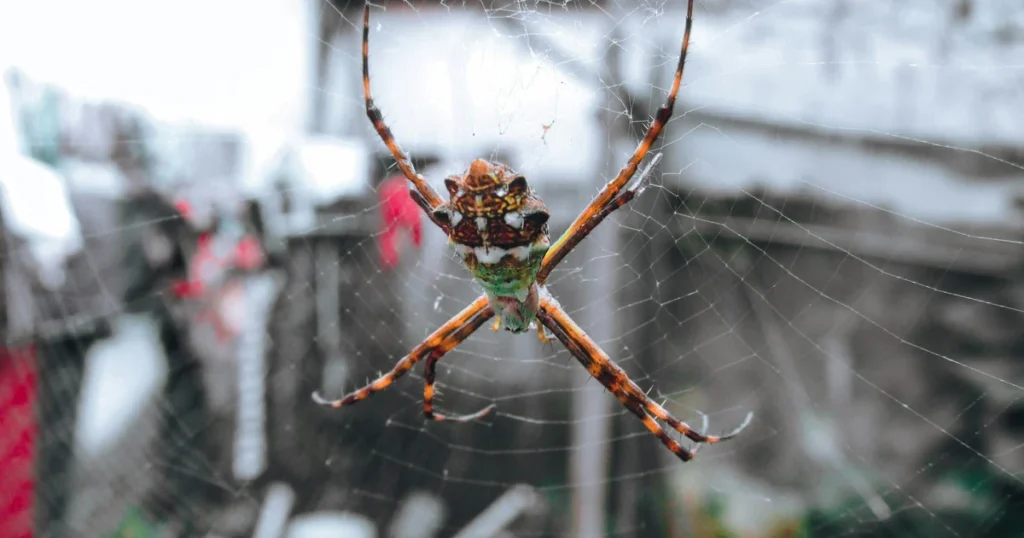
Orbweavers build classic circular webs and range widely in color. Wolf spiders are ground hunters, large and hairy, that carry egg sacs on their abdomens. Jumping spiders are compact and quick, with forward-facing eyes. Misidentification is common, so capturing a clear photo before disturbing the spider gives your Proforce service professional a head start.
How to Spot Spider Activity Inside Your Florida Home
Webbing is the most obvious indicator. Irregular, tangled webs in corners suggest cobweb spiders or widows. Flat, sheet-like webs near the floor may belong to southern house spiders, a species that is actually beneficial because it consumes cockroaches, moths, and flies. Look for small silk egg sacs attached to webs or hidden in folds of fabric, boxes, and closets.
Shed exoskeletons near baseboards or behind furniture signal an active population. You may also notice tiny droppings that resemble dark specks below established webs. Frequent sightings of live spiders, especially at night, indicate the area supports enough prey insects to sustain them.
Where Spider Activity Usually Shows Up in Florida
Inside your home, spiders in Florida favor garages, attics, closets, and storage areas where they remain undisturbed. Bathrooms and laundry rooms attract moisture-seeking species. Cluttered spaces provide more hiding spots and more prey insects, which encourages higher spider populations.
Outdoors, inspect under eaves, porch lights, landscaping timbers, and fence lines. Black widows often nest in protected voids such as meter boxes, grill covers, and outdoor storage bins. Stacked firewood and dense shrubs adjacent to walls create ideal harborage for multiple species.
Exterior Entry Points Spiders Use in Florida
Spiders exploit surprisingly small gaps. Cracks around window frames, door sweeps that no longer seal, and openings where utility lines enter the wall are common access routes. Torn or missing window screens invite both spiders and the prey insects they follow.
Weep holes in brick veneer, soffit vents without fine mesh, and garage door weatherstripping gaps all serve as entry points. Reducing exterior lighting near doors cuts down the insect activity that draws spiders close to your home in the first place. Your Proforce service professional can pinpoint these vulnerabilities during a thorough inspection.
Why Spider Problems Develop in Florida
Why Florida’s Climate Supports Spider Activity
Florida’s warm temperatures and high humidity create year-round conditions that favor spiders in Florida. Unlike cooler states where cold winters reduce spider populations for months, Florida’s mild climate allows many species to remain active throughout the year. Moisture-rich air also supports the insects that spiders depend on, keeping prey populations high in every season. This combination means spider activity rarely stops; it simply shifts from one part of your property to another.
Food and Shelter That Attract Spiders in Florida
Spiders follow their prey. Where cockroaches, moths, and flies gather, spiders are close behind. According to the University of Georgia pest guide, Southern house spiders consume pest species such as cockroaches, moths, and flies. Porch lights, open garbage bins, and standing water all draw these insects near your home, and spiders set up webs wherever the hunting is productive.
Cluttered garages, eaves, shutters, and overgrown landscaping provide sheltered anchor points for webs. Brown widows, which have been rather common in Florida for many decades as UC IPM notes, favor the same protected spots around structures that black widows occupy. The more hiding places your property offers, the more spiders will settle in.
Why Florida Spiders Adapt Around Homes
Residential structures give spiders two things they need: steady prey and stable shelter. A spider may rest at the center of its web or hide in a nearby shelter, waiting for prey to become entangled. Cracks in stucco, gaps around window frames, and soffits provide entry points that spiders exploit without much effort. Once inside, they find quiet corners in closets, attics, and storage areas where they can build webs undisturbed for weeks.
Seasonal Shifts That Move Spiders in Florida
Florida’s rainy season drives insects toward drier ground, and spiders follow. Summer storms push prey closer to your foundation, walls, and covered patios. During cooler months, spiders that typically live in landscaping may move indoors, looking for warmth and a steady food supply. These seasonal shifts often catch homeowners off guard because spider activity appears to spike overnight.
Understanding what draws spiders to your property is the first step toward managing them. Proforce Pest Control’s service professionals can assess the conditions around your home and build an ongoing treatment plan that addresses spiders and the prey that attract them.
Risks From Florida Spiders
Most spiders in Florida are nuisance pests, but a few species carry real health concerns. Understanding the difference helps you decide when to call in a professional and when to leave a spider alone.
Health Risks Linked to Florida Spiders
Widow spiders pose the most serious bite risk among Florida spiders. According to Mississippi State University Extension, the venom of widow spiders is neurotoxic and can result in intense pain and cramping of muscles, especially in the abdomen and upper legs. Fatalities are extremely rare with prompt medical care, but the pain alone makes these pests worth taking seriously.
If you suspect a widow spider bite, seek immediate medical attention. Many other Florida spiders, including the southern house spider, are frequently mistaken for dangerous species like the brown recluse because of their light brown, long-legged appearance. The southern house spider, however, is not harmful to people and actually consumes pests such as cockroaches, moths, and flies.
Property Damage From Spiders in Florida
Spiders themselves rarely cause structural damage to your home. The real property concern is cosmetic. Heavy webbing around eaves, doorways, windows, and outdoor lighting creates an unkempt appearance. Species like the Joro spider deposit egg sacs containing hundreds of eggs on walls, tree bark, and nearby structures, which can lead to rapid population growth around your property if left unchecked.
Spiders such as brown recluses and southern house spiders also nest in dark, undisturbed storage areas like garages, attics, and closets. Dense webbing in these spaces can soil stored belongings and make routine access unpleasant.
Food Contamination Risks From Florida Spiders
Spiders in Florida are not recognized as food-contamination pests the way cockroaches or rodents are. They do not feed on stored pantry goods. However, their webs and debris can collect in kitchens, pantries, and food-prep areas, creating unsanitary conditions that no homeowner wants to deal with.
When a Spider Problem in Florida Needs Action
A stray web in the corner of your porch is normal. But when you notice growing numbers of egg sacs on walls, recurring webs inside living spaces, or spiders nesting in storage areas where your family reaches without looking, it is time to act.
The presence of widow spiders anywhere around your home warrants professional treatment. Proforce service professionals know which species are common in your area and where they tend to hide. If spiders are showing up faster than you can knock down their webs, request a quote from your local Proforce team to get ahead of the problem.
Professional Pest Control for Spiders in Florida
Keeping these spiders under control takes more than a can of spray from the hardware store. A structured approach that combines prevention, thorough inspection, and targeted treatment gives your home lasting protection. Proforce Pest Control builds each spider control plan around the conditions found at your property, so the work addresses the species and entry points that matter most.
How to Reduce Attractants and Seal Entry Points
Spiders follow their food. According to Mississippi State University Extension, anything you do to exclude insects from your home will also help reduce spider populations. That means repairing torn window screens, installing door sweeps, and caulking gaps around utility lines, pipes, and foundation joints. These small fixes cut off the prey supply that draws spiders indoors in the first place.
Outside, reduce harborage by moving firewood stacks, leaf litter, and dense plantings away from your foundation. Keep outdoor lighting on warm-toned bulbs, which attract fewer flying insects. Fewer insects at your doorstep means fewer wolf spiders, jumping spiders, and web-builders waiting nearby for a meal.
Inside, declutter storage areas like garages, closets, and attics. Cardboard boxes stacked against walls create the dark, undisturbed spaces spiders prefer. Switching to sealed plastic bins removes hiding spots and makes future inspections easier for you and your service professional.
Why the Process Starts With a Professional Inspection
An inspection lets a trained Proforce service professional identify which species are present, where they are concentrated, and how they are getting inside. Florida homes can host everything from common house spiders to widow spiders, and each species behaves differently. Wolf spiders, for example, do not build webs but wander along the ground hunting prey. A proper inspection accounts for those differences.
Your service professional will check exterior walls, eaves, window frames, doorways, crawl spaces, and interior storage areas. They also look for conditions that support spider prey, such as moisture issues or gaps that let other insects in. The findings shape every step of the treatment plan that follows.
What to Expect During Professional Spider Treatment
After the inspection, your Proforce service professional applies targeted treatments to the areas where spiders and their prey are most active. Exterior perimeter applications address entry points along the foundation, eaves, and window wells. Interior treatments focus on corners, baseboards, closets, and other sheltered zones where spiders are found during the inspection.
Web removal is part of the process. Clearing existing webs disrupts egg sacs and forces web-building species to relocate into treated zones. For ground-dwelling species like wolf spiders, treatments focus on low perimeter areas and harborage sites rather than elevated corners.
What to Expect From a Florida Spider Control Plan
Florida spiders stay active year-round in the state’s warm, humid climate, so one-time treatments rarely provide lasting results. Proforce builds ongoing control plans that include scheduled return visits, re-inspection, and retreatment as needed. The Proforce Guarantee backs every service visit, and your plan covers spiders as part of the company’s 35-pest coverage.
Between visits, your service professional may recommend adjustments to landscaping, lighting, or storage habits based on what they observe at each appointment. This ongoing partnership keeps spider pressure low and helps you stay ahead of seasonal shifts. To get started, request a quote from your nearest Proforce location.
Bottom Line on Spiders in Florida
Most spiders you encounter around your Florida home are more helpful than harmful. Species like the Southern house spider actively reduce populations of cockroaches, moths, and flies. A few species, including widow spiders, do pose real risks and deserve prompt professional attention. The key is accurate identification, consistent prevention, and knowing when to call in help. Proforce Pest Control covers spiders as part of our general pest control plan, giving you ongoing treatment backed by the Proforce Guarantee. Done Right. Every Time.
Frequently Asked Questions About Spiders in Florida
How Do I Tell a Southern House Spider Apart From a Brown Recluse?
Eye arrangement is the most reliable field marker. According to the University of Georgia pest guide, the male Southern house spider has eight eyes grouped in a single cluster, while the brown recluse has only six eyes arranged in three distinct pairs. If you are unsure, capture a photo and contact a Proforce service professional for help with identification.
Are the Large Spiders in My Yard Dangerous?
Many of the bigger spiders Florida homeowners notice are orb weavers. Joro spiders, for example, can reach up to 1¼ inches in body size and spin large, sometimes gold-colored webs. They look intimidating, but orb weavers are generally not a threat to people. If webs are building up around entry points or outdoor living areas, regular service visits can keep them in check.
What Should I Do if a Widow Spider Bites Me?
Widow spider bites require immediate medical attention. Do not wait to see if symptoms develop. While you seek care, try to note the spider’s appearance so medical staff can confirm the species. Proforce service professionals can inspect your property afterward to identify harborage areas and reduce the chance of future encounters.
How Often Should My Home Be Treated for Spiders in Florida?
Because Florida’s warm climate supports spider activity throughout much of the year, ongoing treatment is the most practical approach. Proforce general pest control plans include spiders along with 35 covered pests, so your service professional addresses webs, entry points, and harborage spots on a recurring schedule. To learn about plan options and pricing for your home, request a quote from your local Proforce branch.