
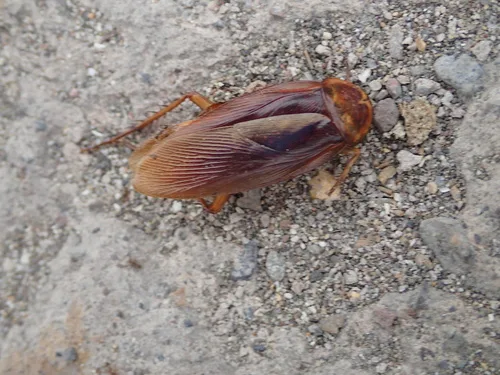
Palmetto Bugs in Florida can create costly problems when early signs are missed. Learn what to look for, why it matters, and when to call Proforce.
Key Takeaways About Florida Palmetto Bugs
- “Palmetto bug” is a common name for cockroaches you may encounter around your Florida home, including the Florida woods cockroach and the American cockroach.
- Some cockroach species can contribute to allergy and asthma concerns, so recognizing which roaches are nearby matters for your household.
- Reducing access to food, water, and shelter around your property is a core step in keeping palmetto bugs from settling in.
- Knowing the differences between species helps you understand their behavior and choose the right approach to control.
How to Identify Florida Palmetto Bugs
Multiple cockroach species share the “palmetto bug” label in Florida, so knowing what to look for helps you figure out which one you are dealing with. Each species has distinct physical traits and habits that set it apart.
How to Tell Palmetto Bug Types Apart in Florida
The term “palmetto bug” can refer to more than one species. Early-stage smokybrown nymphs can be identified by a white band across their backs just behind the thorax and white bands on the tips of their antennae, according to the University of Georgia pest guide.
The Asian cockroach is another species homeowners may encounter alongside palmetto bugs in Florida. Unlike most cockroach species, it readily flies and is attracted to light. That flight behavior is one of the clearest ways to distinguish it from look-alike species that tend to scatter along the ground when disturbed.
How to Spot Palmetto Bug Activity Inside Your Florida Home
Indoors, activity from these species often shows up near entry points. Because the Asian cockroach flies toward light, you may notice it near porch lights, lamps, or illuminated screens at night. Spotting a cockroach in flight indoors is a strong indicator you are dealing with this species rather than a ground-dwelling one.
Pay attention to nymphs as well. The white markings on young smokybrown cockroaches can help you confirm the species before it reaches adulthood, when identification becomes harder without close inspection.
Where Palmetto Bug Activity Shows Up Around Florida Homes
Outdoors, different species favor different habitats. The Asian cockroach is typically found in shaded areas where leaf litter, mulch, or tall grass is present. These sheltered spots offer moisture and cover, making landscaped beds and overgrown yard edges worth checking regularly.
Knowing where each species tends to gather outside can help you anticipate where they may try to move indoors, especially during weather changes.
Exterior Entry Points Palmetto Bugs Use Around Florida Homes
American, Oriental, and wood cockroach species can enter buildings through gaps around windows, doors, vents, and utility openings, as the University of Kentucky notes. Firewood stored near or against a structure is another common pathway for these species to reach interior spaces.
Checking these access points is a practical first step. Gaps that seem minor can still provide enough space for a cockroach to squeeze through, so regular inspection of seals around doors, windows, vents, and utility lines is worth the effort.
Why Palmetto Bug Problems Develop in Florida
The Florida woods cockroach (Eurycotis floridana) is native to the southeastern United States and commonly called a palmetto bug, according to UF/IFAS EDIS. Adults range from 30 to 40 mm long and up to 24 mm wide. Understanding where they nest, what draws them closer to your home, and how they get inside helps you stay ahead of an unwelcome encounter.
Outdoor Nesting Areas for Palmetto Bugs Around Florida Homes
Smokybrown cockroaches are the most common cockroach in suburban Southern neighborhoods where mature hardwood trees are present. They commonly live in treeholes, attics, crawlspaces, and sheds. Florida woods cockroaches share overlapping outdoor habitat, favoring sheltered spots near structures.
Food and Shelter That Attract Palmetto Bugs Around Florida Homes
Because cockroaches move freely from filth to food, they can transfer pathogenic microbes that cause food poisoning and other illnesses. Any accessible food near your home gives palmetto bugs a reason to linger. Keeping food covered and cleaning up after meals reduces the draw for these pests.
How Palmetto Bugs Move Around Florida Homes
Florida woods cockroaches lack functional wings in both sexes, making them slow-moving and unable to fly. Rather than flying toward light or open doors, they typically end up indoors by hitching a ride on items carried inside. Their slow pace means they tend to stay wherever they land once brought in.
When disturbed, Florida woods cockroaches produce a defensive secretion. According to UF/IFAS EDIS, this secretion can take up to 30 days to replenish after discharge. That pungent odor is often the first sign homeowners notice.
Trails and Entry Points Palmetto Bugs Use in Florida
Stacked firewood, yard debris, and storage boxes can all carry a palmetto bug directly into your living space without you realizing it. Routine inspections of items before you bring them indoors can help reduce the chance of an unintended introduction.
Once inside, their large size makes them easy to spot, but their preference for dark, undisturbed areas can keep them hidden until a population grows.
Risks From Florida Palmetto Bugs
Palmetto bugs may seem like a simple nuisance, but their presence in your home can carry real consequences. Indoor cockroaches are considered significant pests of public health, and outdoor species that find their way inside are also regarded as serious nuisance pests.
Health Risks Linked to Florida Palmetto Bugs
The American cockroach, one of the species commonly called a palmetto bug in Florida, has been reported to increase the risk of allergies and asthma. According to Frontiers in Allergy, American cockroach allergy is prominent in subtropical and tropical areas. Five common species, including American, German, Oriental, brown-banded, and smoky brown, have been reported to cause allergic asthma worldwide.
Cockroach allergens are found in saliva, fecal particles, shredded skin, and desiccated remains. According to Frontiers in Allergy, the prevalence of cockroach allergy in the United States ranges from 17 to 41%. Among inner-city children with asthma, 60 to 80% were sensitized to cockroach allergens.
Property Damage From Palmetto Bugs in Florida
The Florida woods cockroach has not been shown to commonly colonize inside structures. However, when outdoor pests do enter your home, they become a persistent nuisance. Their droppings and shed skin can build up in hidden areas over time, contributing to indoor allergen levels that affect air quality.
Food Areas and Palmetto Bug Activity in Florida Homes
Kitchens and pantries are common destinations for pests that wander indoors. Saliva and fecal particles deposited near food preparation or storage areas are a particular concern for households with allergy-sensitive members.
When to Look Closer at Palmetto Bug Activity in Florida
A single palmetto bug sighting may not point to a larger issue, especially since outdoor species like the Florida woods cockroach do not typically colonize indoors. Still, repeated sightings deserve attention. Ongoing cockroach activity raises the stakes for your household’s comfort and well-being.
Professional Pest Control for Palmetto Bugs in Florida
Palmetto bugs can move indoors from outdoor harborage areas at any time. Understanding what draws them in, where they hide, and how professional pest control targets an infestation helps you stay ahead of the problem.
How to Reduce Attractants for Palmetto Bugs in Florida
Palmetto bugs hide in warm, dark, moist areas during the day and come out at night to feed. Reducing moisture around your home is one of the most practical steps you can take. Fix dripping faucets, improve drainage near the foundation, and keep crawl spaces ventilated.
Seal cracks and gaps that give outdoor palmetto bugs a path inside. Species like the American cockroach live outdoors but can temporarily invade indoor spaces when conditions change. Closing entry points around doors, pipes, and utility openings limits those temporary invasions.
Why Palmetto Bug Control in Florida Starts With Inspection
Palmetto bugs tend to harbor in cracks, water meter boxes, sewers, and crawl spaces. A thorough inspection identifies exactly where the activity is concentrated so treatment can be placed where it matters most.
Different species require different approaches. Some palmetto bugs breed entirely indoors, while others move in from landscape beds or storm drains. Proforce service professionals assess the type of infestation and its severity before recommending a plan, because a moderate to heavy infestation may need a very different level of effort than a handful of occasional invaders.
What to Expect During Professional Palmetto Bug Treatment in Florida
Baits provide better cockroach control than sprays, according to UC IPM. For outdoor palmetto bugs, baits can be placed in water meter boxes, drains, or under concrete slabs to target roaches where they harbor.
Foggers, bombs, or aerosol sprays can repel and disperse palmetto bugs to other areas without killing them. That is why Proforce relies on targeted placement rather than broad-spray methods. In a moderate to heavy German cockroach infestation, as many as 12 to 15 bait stations may be needed in a standard-sized home.
After bait stations or gels are applied, it may take seven days or longer before palmetto bug numbers decrease. Patience during this window is normal and expected.
What to Expect From a Florida Palmetto Bug Control Plan
A single treatment method rarely addresses every angle of an infestation. Using multiple pest control methods at the same time may help prevent a palmetto bug problem from recurring. Proforce builds plans that combine targeted baiting, habitat reduction guidance, and ongoing monitoring.
Proforce covers cockroaches, including palmetto bugs, under its General Pest Control plan, which addresses 35 pests across 11 locations in five states. Service professionals who know the specifics of each local branch area coordinate each visit. Done Right. Every Time.
Bottom Line on Palmetto Bugs in Florida
Knowing which cockroach species you are dealing with helps you respond the right way. Some tend to stay outdoors, while others may turn up inside your home. Limiting moisture, food access, and shelter near your property is a practical first step toward keeping them out. When palmetto bugs keep showing up, a professional assessment can help you understand what is attracting them and how to address it. Contact Proforce Pest Control to request a quote tailored to your home.
Frequently Asked Questions About Palmetto Bugs in Florida
What Exactly Is a Palmetto Bug?
“Palmetto bug” is an informal name applied to more than one cockroach species in Florida. The Florida woods cockroach is one species commonly given this label, while American cockroaches and smokybrown cockroaches may also be called palmetto bugs depending on the region.
Do Palmetto Bugs Fly?
It depends on the species. Some cockroaches referred to as palmetto bugs can fly or glide short distances, while others lack functional wings and move only by crawling. Identifying the species helps set the right expectations.
Can Palmetto Bugs Cause Health Concerns?
Certain cockroach species that share the palmetto bug name have been associated with allergy and asthma risks, particularly in urban settings. If anyone in your household has respiratory sensitivities, limiting cockroach activity in the home is worth prioritizing.
How Can I Reduce Palmetto Bug Activity Around My Home?
Focus on prevention. Remove conditions that attract pests, including standing water, accessible food, and cluttered shelter areas. Sealing entry points around doors and foundation gaps can also help. For ongoing concerns, a recurring service plan from Proforce can keep your home consistently protected.