
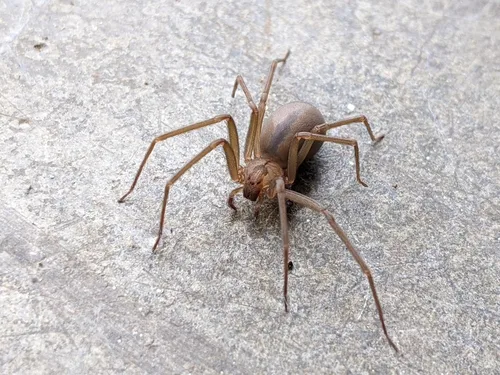
Brown Recluse in Florida can create costly problems when early signs are missed. Learn what to look for, why it matters, and when to call Proforce.
Key Takeaways About Florida Brown Recluse
- Brown recluse spiders (Loxosceles reclusa) are not considered endemic to Florida, though isolated encounters have been documented in the state.
- The brown recluse mainly populates the southern central United States, preferring mild climates rather than Florida’s subtropical conditions.
- Many suspected brown recluse bites lack a positive spider identification, and other spiders in Florida, such as wolf spiders and Southern house spiders, are frequently mistaken for the brown recluse.
- A true brown recluse has six eyes arranged in three distinct pairs and fiddle-shaped markings on its back, setting it apart from look-alikes with eight eyes.
- Children may face a higher risk of hemolysis following a brown recluse bite.
- Proper identification is the first step toward the right response. If you suspect brown recluse activity in your home, a trained Proforce Pest Control service professional can inspect and recommend next steps.
As noted by Eplasty, the brown recluse spider is not considered endemic to Florida, yet clinical presentations consistent with recluse bites do occur. Understanding what you are actually dealing with is critical before pursuing any treatment plan for spiders in your Florida home.
How to Identify Florida Brown Recluse
Correct identification is the single most important step when you suspect a brown recluse in Florida. Many common Florida species share a similar body shape and coloring, which leads to frequent misidentification. According to Journal of medical entomology, bite reports attributed to brown recluse spiders are common across Florida even though arachnological evidence contradicts widespread occurrence in the state. Knowing what to look for on the spider’s body, and where to look inside your home, helps you and your Proforce service professional respond quickly.
Telling Common Florida Species Apart
The brown recluse (Loxosceles reclusa) is a light tan to dark brown spider with a body length of roughly a quarter to a half inch. Its most reliable field mark is a dark, violin-shaped marking on the cephalothorax, with the “neck” of the violin pointing toward the abdomen. But several Florida species carry similar markings.
The quickest way to confirm identification involves the eyes. As University of Georgia pest guide explains, the brown recluse has six eyes arranged in three distinct pairs, while the Southern house spider, one of the most commonly confused species, has eight eyes in a single cluster. If you can view the spider closely or capture it, that eye count separates the two species immediately. Color alone is not enough to identify a brown recluse.
How to Spot Brown Recluse Activity Inside Your Florida Home
Brown recluse spiders are nocturnal and reclusive by nature. You may never see one in the open. Instead, look for signs of activity: small, irregular webs tucked into undisturbed corners, shed skins near storage areas, or the spider itself hiding behind picture frames, inside folded clothing, or under cardboard boxes. These spiders favor cluttered, low-traffic spaces where they can hunt without being disturbed.
Pay attention to storage rooms, closets, and garages where items sit for long periods. If you spot a spider matching the body description above, avoid handling it and contact a Proforce service professional for a thorough inspection.
Where Brown Recluse Activity Usually Shows Up in Florida
Indoors, brown recluse spiders tend to nest in dry, dark voids. Attics, crawl spaces, seldom-used guest rooms, and utility closets are the most likely spots. Stacks of newspapers, stored shoes, and seasonal clothing provide ideal cover. Because Florida is not considered endemic territory for this species, confirmed sightings are uncommon, but isolated populations have been documented.
If you find webbing or shed skins concentrated in one area, that pattern can indicate a localized population rather than a single stray spider.
Exterior Entry Points Brown Recluse Use in Florida
When a brown recluse does show up in a Florida home, it often arrives through gaps around door frames, utility penetrations, or cracks in the foundation. Firewood stacked against exterior walls, cluttered sheds, and unsealed garage doors also create entry opportunities. These spiders can hitchhike inside moving boxes and furniture shipped from the southern central states where they mainly populate.
Sealing gaps, reducing exterior clutter, and scheduling regular inspections with Proforce Pest Control all help reduce the chance of an unwanted encounter. Your service professional can identify vulnerable entry points specific to your home’s layout and recommend targeted next steps.
Why Brown Recluse Problems Develop in Florida
Florida is not considered part of the brown recluse spider’s native range. According to Eplasty, the brown recluse is not endemic to the state, yet encounters do happen. Understanding what draws these spiders toward Florida properties helps you stay alert and take the right precautions before an isolated sighting becomes a recurring concern inside your home.
Why Florida’s Climate Supports Brown Recluse Activity
Brown recluse spiders favor mild climates, which is why they thrive across the southern central United States. Florida’s warm, humid conditions can sustain individual spiders that arrive through transported goods, furniture, or storage boxes. While the state lacks established brown recluse colonies in the wild, the indoor climate of a Florida home can replicate the stable, temperate habitat these spiders prefer year-round.
Food and Shelter That Attract Brown Recluse in Florida
Brown recluse spiders hunt small prey such as insects and other arthropods. A home with roaches, silverfish, or other pests provides a steady food source that encourages any stowaway spider to stay. Cluttered storage areas, cardboard boxes, and undisturbed closets offer the dark, dry shelter brown recluse spiders seek. Garages, attics, and seldom-used guest rooms are common hiding spots because they combine quiet habitat with easy access to prey.
Why Florida Brown Recluse Adapt Around Homes
Indoors, a brown recluse finds protection from outdoor predators and weather extremes. Florida’s frequent rain and intense summer heat push many spiders toward sheltered spaces beneath siding, inside wall voids, or behind stored plants and equipment. Once inside, a female can deposit eggs in hidden crevices, creating the potential for a small, localized population that homeowners may not notice for months.
Seasonal Shifts That Move Brown Recluse in Florida
Season changes influence when spiders are most likely to appear indoors. Cooler fall and winter nights drive arthropods toward warmth, and any brown recluse present on a property may migrate deeper into living areas. Summer storms and yard work can also disturb outdoor hiding spots, pushing spiders toward doors, windows, and foundation gaps. Staying ahead of these seasonal shifts with routine inspections and clutter reduction is the most practical way to limit brown recluse encounters in your Florida home.
Risks From Florida Brown Recluse
Although brown recluse spiders are not considered endemic to Florida, documented exposures do occur, and the risks deserve your attention. Understanding what a brown recluse in Florida can and cannot do helps you protect your family and avoid misdiagnosis of other conditions that mimic spider bites.
Health Risks Linked to Florida Brown Recluse
A brown recluse bite can cause dermonecrosis, a condition where skin tissue around the bite breaks down. However, according to Journal of medical entomology, many skin lesions blamed on brown recluse bites in Florida actually stem from other causes, including bacterial infections and vascular disorders. Because the spider is not endemic here, confirmed bites are uncommon, and misdiagnosis is a real concern.
When a genuine bite does occur, most adults experience localized pain, redness, and a slow-healing wound. Children may face a more serious response. According to Pa.), younger patients may be at higher risk of hemolysis, a breakdown of red blood cells, following envenomation. If you suspect any family member has been bitten, prompt medical evaluation matters.
Property Damage From Brown Recluse in Florida
Brown recluse spiders do not cause structural damage to your home. They do not chew wood, tunnel through walls, or compromise building materials the way termites or carpenter bees do. The threat they pose is strictly a health concern rather than a property concern.
That said, their preference for dark, undisturbed spaces like storage boxes, closets, and attics means they can establish themselves in areas you use infrequently. Discovering these pests during seasonal cleaning or while unpacking stored items can be unsettling and disruptive to your household routine.
Food Contamination Risks From Florida Brown Recluse
Brown recluse spiders are not associated with disease transmission or direct food contamination. Unlike cockroaches or rodents, they do not forage through pantries or leave droppings on food surfaces. Their reclusive nature keeps them away from kitchens and dining areas in most cases.
The primary risk remains the bite itself, not contamination. Still, a brown recluse tucked inside a seldom-used cabinet or near stored dry goods is a scenario worth preventing, especially in homes with young children who may reach into dark spaces without checking first.
When a Brown Recluse Problem in Florida Needs Action
Any confirmed or suspected brown recluse sighting in your home warrants a professional inspection. Because many spiders in Florida are mistaken for brown recluse, proper identification is the first step. The brown recluse has six eyes arranged in three distinct pairs, unlike the eight-eyed spiders more commonly found in the state.
If you find a spider you cannot identify, or if a family member develops an unexplained necrotic wound, do not wait. A Proforce Pest Control service professional can assess your home, confirm or rule out the presence of brown recluse, and recommend a targeted approach to keep these pests out of your living spaces.
Professional Pest Control for Brown Recluse in Florida
Because the brown recluse in Florida is not considered endemic, according to Eplasty, many spider sightings turn out to be look-alike species such as the Southern house spider. That makes accurate identification the most important first step in any control plan. Proforce Pest Control service professionals are trained to distinguish these species and build a targeted treatment strategy around what they actually find in your home.
How to Reduce Attractants and Seal Entry Points
Prevention starts with making your home less inviting to spiders. Brown recluse spiders favor undisturbed, cluttered spaces like storage boxes, closets, and garages. Reducing clutter removes the hiding spots they depend on. Move firewood, debris piles, and landscaping materials away from your foundation.
Sealing entry points is equally important. Inspect weather stripping around doors, caulk gaps around pipes and utility lines, and repair torn window screens. These steps limit access for spiders and the insects they feed on. A tighter building envelope means fewer pests overall, which supports long-term prevention for your household.
Why the Process Starts With a Professional Inspection
Misidentification is common with brown recluse spiders. As Eplasty notes, many reported brown recluse cases lacked positive identification of the spider. A professional inspection removes that guesswork. Proforce service professionals examine your property room by room, checking known harborage areas such as attics, crawl spaces, and storage zones.
During the inspection, your service professional will identify which species are present, locate active harborage sites, and document conditions that encourage infestations. This information shapes the treatment plan and ensures every follow-up visit targets the right pest in the right locations throughout your home.
What to Expect During Professional Brown Recluse Treatment
If brown recluse spiders are confirmed, your Proforce service professional will deploy a targeted approach. Industry-standard pest control methods include trapping, physical removal, and direct application to harborage zones. Sticky monitors are placed in key areas to track spider activity over time and confirm whether populations are declining.
Treatment also addresses the prey insects that attract spiders indoors. By reducing the food source, your service professional makes the environment less sustainable for any spider population. Every visit includes a progress review so adjustments can be made based on what the monitors reveal.
What to Expect From a Florida Brown Recluse Control Plan
Proforce builds ongoing treatment plans rather than one-time visits. Your plan includes scheduled service appointments, continued monitoring, and re-treatment as needed under the Proforce Guarantee. With 11 locations across 5 states, your local branch team understands the specific spider species common to your area.
Between visits, your service professional will recommend maintenance steps you can take, from reducing indoor clutter to keeping exterior lights on timers that attract fewer insects. This partnership approach keeps your home less hospitable to spiders year-round. Contact Proforce Pest Control to request a quote and schedule your inspection. Done Right. Every Time.
Bottom Line on Brown Recluse in Florida
The brown recluse is not a resident pest of Florida. Its core range sits across the southern central United States, and verified specimens in Florida remain extremely rare despite decades of record-keeping. That said, occasional hitchhiker spiders do turn up in boxes, furniture, and vehicles shipped from other states. The smartest approach is to learn how to tell a brown recluse apart from the many look-alikes that actually thrive here, keep clutter low, and partner with a pest control team that monitors your home on a regular schedule.
A proactive plan removes guesswork and keeps every corner of your house less inviting to spiders of any species.
Proforce Pest Control covers spiders under its general pest control plan, and our service professionals know the species common to each branch’s service area. If you spot a spider you cannot identify, or if you simply want ongoing protection, request a quote and let us build a plan around your home.
Frequently Asked Questions About Brown Recluse in Florida
Are Brown Recluse Spiders Common in Florida?
No. According to Eplasty, the brown recluse is not considered endemic to Florida. The spider’s preferred range centers on the southern central states, where mild inland climates support stable populations. Florida does see occasional specimens transported through commerce or personal moves, but established, reproducing colonies are not documented here. Most spider sightings that Florida homeowners attribute to a brown recluse turn out to be southern house spiders, huntsman spiders, or other no real threat look-alikes.
How Can I Tell a Brown Recluse Apart From Similar Spiders?
The most reliable feature is the eye arrangement. As noted by University of Georgia pest guide, the brown recluse has six eyes arranged in three distinct pairs, while the commonly mistaken southern house spider carries eight eyes in a single cluster. A violin-shaped marking on the cephalothorax is another clue, but color and markings vary, so eye count is the stronger identifier. If you are unsure, place the spider in a sealed container and contact a pest professional for verification rather than relying on a photo search.
What Should I Do if I Suspect a Brown Recluse Bite?
Seek medical attention promptly. In areas outside the brown recluse’s native range, bites are likely overreported, and other conditions can produce similar necrotic skin lesions. A healthcare provider can evaluate your symptoms and rule out infections, other arthropod bites, or unrelated skin conditions. Bring the spider if you captured it, because positive identification is often absent in reported bite cases. Children may face a higher risk of hemolysis following envenomation, so pediatric cases warrant urgent evaluation.
How Does Ongoing Pest Control Reduce Spider Risks in My Home?
A structured pest management approach follows a clear cycle: identify pests, set action thresholds, prevent entry, and control existing activity. Proforce service professionals inspect your property on a recurring schedule, seal common entry points, reduce harborage areas, and treat as needed across 35 covered pests. Because spiders follow their prey, controlling ants, flies, and other insects also lowers the food supply that draws spiders indoors. Consistent visits catch new activity early, so small issues never grow into larger concerns. Reach out to your local Proforce branch for a quote tailored to your home.