
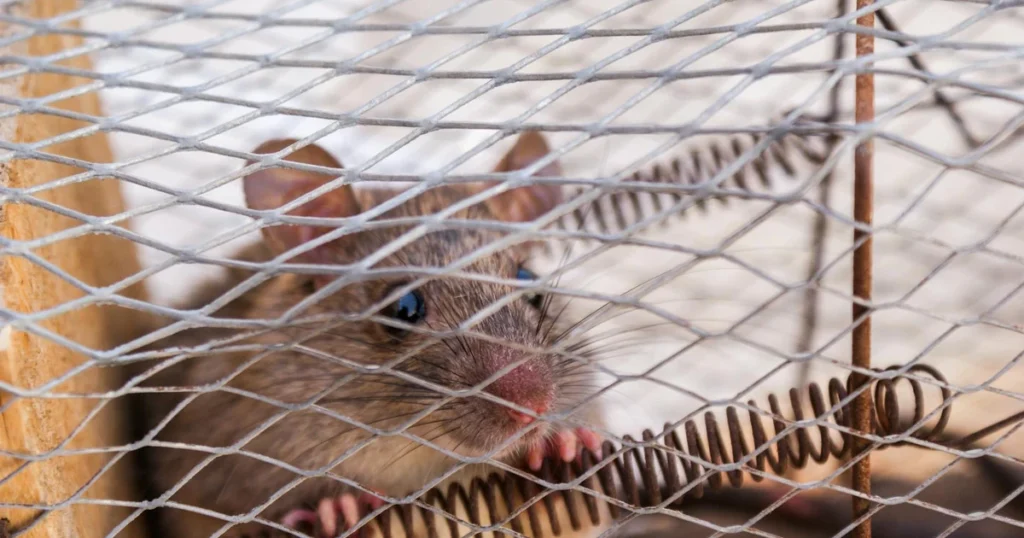
Use this guide to identify rodents in florida, compare common signs, understand local risks, and decide when Proforce should inspect your property.
Key Takeaways About Florida Rodents
Rodents in Florida are a year-round concern for homeowners. Before diving into the full guide, here is what you need to know up front.
- Common rodents in Florida include roof rats, Norway rats, house mice, and cotton rats. Each species has distinct habits and preferred entry points.
- Entry points matter. Rodents squeeze through gaps around AC conduits, rooflines, fascia, and foundation cracks to get inside your Florida home.
- Gnaw marks and dark brown grease trails in your attic are key signs of a rodent infestation. Droppings, odor, and nesting materials confirm activity.
- Risks are real. Rodents can damage buildings, contaminate food, and transmit diseases to people. NPIC — Rodents They can also worsen allergic reactions and asthma. EPA — Integrated Pest Management
- Control is not simple. Rodents are adaptable and capable of learning by trial and error, making control challenging. NPIC — Rodents
- A layered approach works best. Experts recommend prioritizing prevention, sanitation, and exclusion before other methods. NPIC — Rodents Traps can also be used in combination with bait. NPIC — Rodents
- Proforce handles both rats and mice with a re-treat guarantee on every service.
How to Identify Florida Rodents
The rodent family includes over 2,000 species worldwide, covering rats, mice, gophers, voles, and beavers NPIC – Rodents. In Florida homes, the two rodent species you are most likely to encounter are the roof rat and the house mouse. Knowing how to identify each one helps you understand what you are dealing with and where to focus your attention. Rodents can damage buildings, contaminate food, and transmit diseases to people NPIC – Rodents, so early identification matters.
Telling Common Florida Species Apart
Roof rats are sleek, with large ears, a pointed nose, and a tail longer than their body. They typically have dark brown or black fur and weigh around half a pound. House mice are much smaller, with a slender body, large ears relative to their size, and a thin, scaly tail. Their fur is usually gray or light brown. Droppings also differ: roof rat droppings are roughly half an inch long with pointed ends, while mouse droppings resemble small, dark seeds.
How to Spot Rodent Activity Inside Your Florida Home
Inside your home, look for these signs of rodent presence:
- Droppings along baseboards, in cabinets, or near food storage areas
- Scratching or scurrying sounds in walls or under floorboards, especially at night
- Small holes chewed into food bags or cardboard boxes
- Nesting materials such as shredded fabric, clothing, or cardboard gathered in closets, cabinets, or under furniture
- Discolored, gray running trails along drywall or surfaces from oils on a rodent’s body
- A musty urine odor, which often indicates an active or ongoing rodent issue
Unusual pet behavior, such as barking at walls or pawing under appliances, can also be an early sign.
Where Rodent Activity Usually Shows Up in Florida
Attics are a primary hotspot. Roof rats in particular nest above living spaces, using nesting materials like insulation, cardboard, and fabric. Look for running trails, droppings, and chewing damage around AC conduits, which rodents target for condensation. Storage areas filled with cardboard boxes or loosely packed bags are common nesting spots. If you notice a musty smell in your attic, that odor is a strong indicator of rodent or animal activity.
Exterior Entry Points Rodents Use in Florida
Roof rats are skilled climbers and commonly enter through the ridge of the roof, gaps along the fascia, or poorly sealed AC conduit entry points. They can travel along tree branches and power lines to reach your roofline. Mice squeeze through foundation cracks, siding gaps, garage openings, and spaces around doors and windows. Even small openings allow entry. A detailed exterior inspection helps identify these points before a rodent species establishes itself inside your home NPIC – Pest fact sheets.
Why Rodent Problems Develop in Florida
Why Florida’s Climate Supports Rodent Activity
Florida’s warm, humid climate creates a year-round habitat where rodents can breed, forage, and nest without the hard winters that slow population growth in northern states. There is no extended cold season to interrupt reproductive cycles, so colonies can grow steadily across all four seasons. That persistent warmth also keeps food sources outdoors available longer, giving rats and mice less reason to retreat and more opportunity to establish themselves near your home.
Food and Shelter That Attract Rodents in Florida
Rodents are opportunistic. Outdoor pet food, unsecured food packaging, and accessible garbage all act as consistent attractants EPA – Integrated Pest Management. Plants and fruit-bearing trees common in Florida yards offer additional food sources at ground level and along fence lines. Inside, cardboard boxes, stored fabrics, and loosely packed pantry items provide both nesting material and nutrition. Keeping food in sealed jars, tins, or heavy plastic containers reduces that draw NPIC – Rodents. Removing easy food and shelter is one of the first steps toward discouraging rodent activity around any home.
Why Florida Rodents Adapt Around Homes
Rodents are adaptable and capable of learning by trial and error, which makes ongoing control challenging NPIC – Rodents. Roof rats, for example, can climb trees, travel along power lines, and create entry points through gaps along the fascia or around AC conduits. Once inside, they follow the same trails repeatedly, leaving greasy runs on walls and surfaces. Rodents can damage buildings, contaminate food, and transmit diseases to people NPIC – Rodents. Their presence has also been linked to worsened allergic reactions and asthma attacks EPA – Integrated Pest Management.
Seasonal Shifts That Move Rodents in Florida
Even in Florida, seasonal pressure plays a role. When temperatures dip during cooler months, mice seek warm shelter and search homes for entry points through foundation cracks, garage gaps, and holes in siding. Drier periods can reduce outdoor prey and water access, pushing rodents closer to structures where moisture from AC units and irrigation systems is reliable. These seasonal shifts mean rodent activity around your home is not limited to a single time of year, making consistent attention to prevention important throughout all seasons.
Risks From Florida Rodents
Rodents in Florida are more than a nuisance. Mice and rats can damage your home, threaten your family’s health, and contaminate the food in your kitchen. Because rodents are adaptable and learn by trial and error, a small problem can grow into a serious one before you realize it NPIC – Rodents. Knowing the specific risks helps you act before the damage adds up.
Health Risks Linked to Florida Rodents
Rodents can transmit diseases to people NPIC – Rodents. Beyond direct disease threat, their presence in your home can trigger allergic reactions and worsen asthma attacks EPA – Integrated Pest Management. Droppings, urine, and nesting debris all contribute to poor indoor air quality. If your family includes young children, elderly relatives, or anyone with respiratory conditions, the health risk from rodents in Florida warrants a tolerance level of zero NPIC – Pest fact sheets.
Property Damage From Rodents in Florida
Roof rats are particularly skilled at chewing through materials to create entry points. AC conduit lines are a common target, as rodents chew through them seeking condensation. Wiring, insulation, cardboard storage boxes, and even clothing stored in your attic can all show damage. Structural harm from rodents in Florida can go unnoticed for weeks, making an attic inspection a key part of any assessment.
Food Contamination Risks From Florida Rodents
Rodents can contaminate food supplies throughout your home NPIC – Rodents. Mice repeatedly travel the same trails across countertops and pantry shelves, leaving droppings and urine along the way. Keeping food in sealed jars, tins, or heavy plastic containers helps reduce this risk NPIC – Rodents. Pet food left out overnight is another common target. These pests are opportunistic, and any unsealed food source works in their favor.
When a Rodent Problem in Florida Needs Action
Scratching sounds in walls, small dark droppings, or a musty urine odor in your attic are signals that the problem has already grown. The presence of pests known to transmit disease or cause property damage often means the action threshold is zero EPA – Integrated Pest Management NPIC – Pest fact sheets. Removing food sources and sealing entry points are important first steps EPA – Integrated Pest Management, but an active infestation in your walls or attic calls for professional rodent control.
Professional Pest Control for Rodents in Florida
these rodents are a year-round concern. The warm, humid climate gives rats and mice every reason to stay active, and once they find a way into your home, they rarely leave on their own. Rodents are adaptable and capable of learning by trial and error, which makes control challenging without a structured plan NPIC – Rodents. Professional pest control gives you a layered approach that combines prevention, inspection, and targeted treatment to address an infestation from every angle.
How to Reduce Attractants and Seal Entry Points
Prevention starts by removing what draws rodents in. Seal all food in sturdy containers, put away uneaten pet food promptly, and clean up spills quickly. Store blankets and fabrics in heavy-duty bins rather than flimsy plastic bags, and move cardboard out for recycling as soon as possible. IPM pest control focuses on removing conditions that attract pests, including food, water, and shelter EPA – Integrated Pest Management. Trim tree branches and bushes within three feet of your foundation, since roof rats are skilled climbers and use overhanging limbs to access rooftops and entry points.
Common entry points include gaps around AC conduit penetrations, cracks in the foundation, deteriorated wood under raised homes, holes along the fascia, and poorly sealed vents. Even small openings matter, since mice can squeeze through surprisingly narrow cracks around doors, windows, and siding. Sealing these gaps before setting any traps is a critical first step in any rodent prevention plan.
Why the Process Starts With a Professional Inspection
A Proforce service professional begins by looking for evidence: droppings, running trails, chewing damage, nesting materials, and odor. In the attic, discolored gray trails along joists often indicate repeated rodent movement and can lead directly to entrance and exit points. The size of droppings helps identify the type of rodent present. Inspectors also examine AC conduits, since rodents commonly chew through them for condensation. Photos of problem areas are taken, and findings are reviewed with you before any work begins.
Rodents present in buildings can cause or worsen allergic reactions and asthma attacks EPA – Integrated Pest Management, which makes a thorough inspection more than a formality. Identifying the full scope of an infestation early shapes every decision that follows, from trap placement to whether exclusion work is needed.
What to Expect During Professional Rodent Treatment
Proforce service professionals place four exterior bait stations around your home, positioning them based on the evidence found during inspection. Inside the attic, D-Fence dust is applied lightly toward the four corners using a dust applicator, without broadcasting it across stored materials or toward the AC unit. Maki Paks are placed in the attic to redirect rodents away from wiring, and miniature bait boxes are added as well. Baited glue traps are used indoors to catch any rodents still active inside NPIC – Rodents.
For burrowing rodents, an IGI CO2 burrow eliminator may be used at an additional fee. Wildlife exclusion work, when needed, involves sealing exterior gaps of one-quarter inch or larger with cement or steel, covering attic vents with wire mesh, and sealing the base of the home with mesh. IPM control methods include trapping and physical removal, with rodenticides used as a last resort [C021, C008].
What to Expect From a Florida Rodent Control Plan
Every Proforce rodent service comes with a re-treat guarantee. Wildlife exclusion jobs carry a one-year warranty against the animal they were originally set in place for. Because rodents are trap-shy and may take up to two weeks to interact with baits, ongoing service is often the most reliable path forward. Proforce covers both rats and mice, including roof rats, under its rodent control services.
If you need pest control services for a Florida rodent infestation, request a quote to find the right plan for your home. Proforce serves homeowners across 11 locations in 5 states, with local service professionals who know the pest pressures specific to your area. Done Right. Every Time.
Florida Rodents prevention depends on small property details: trim overgrown vegetation, keep garbage bins closed, store food in sealed containers, watch for shredded paper used as nesting material, inspect gnawing around electrical wires, and apply the same checklist on South Florida properties. These habits limit the food, water, shelter, and access points that keep pressure active. EPA – Integrated Pest Management NPIC – Rodents NPIC – Rodents NPIC – Rodents
Bottom Line on Rodents in Florida
Florida rodents are a year-round concern. They can damage buildings, contaminate food, and transmit diseases to people NPIC – Rodents. They can also trigger or worsen allergic reactions and asthma attacks EPA – Integrated Pest Management. Because rodents are adaptable and capable of learning by trial and error NPIC – Rodents, controlling them takes a layered approach that combines inspection, exclusion, trapping, and baiting NPIC – Pest fact sheets. Proforce uses that exact method, and every service comes with a re-treat guarantee so you are covered if activity continues. Done Right. Every Time.
Frequently Asked Questions About Rodents in Florida
Why haven’t your service professionals caught any rats yet?
Rats are trap-shy and smart enough to avoid new traps at first NPIC – Rodents. During the initial exclusion process, rats often flee the home. If the home is sealed while they are outside, the trapping program will not catch them in the attic right away. Baits can take up to two weeks to take effect, after which rats become less cautious and more likely to encounter a trap. If you still hear activity inside, your service is covered under the Proforce re-treat guarantee.
How are rodents getting into my Florida home?
Most rodents enter through poorly sealed AC entry points, rotted wood under raised homes, ridge gaps along the roof, or holes along the fascia. Roof rats are skilled climbers that move along tree branches and power lines to reach rooftops, then enter through vents or other openings. Mice can squeeze through foundation cracks, gaps around doors and windows, siding holes, and garage openings. Removing these entry points through exclusion with cement, steel, or wire mesh is a core part of the Proforce rodent process.
How can I tell if I have a rodent problem?
A few signs point to rodents in your home. Look for small dark droppings that resemble seeds, greasy gray run trails along walls or baseboards from oils on the rodents’ bodies, and chewed openings in food packaging. Listen for scratching or scurrying sounds inside walls, especially at night. A musty urine odor in the attic is another strong indicator. Nests built from shredded cardboard, clothing, or bedding found in closets, cabinets, or under furniture are also common warning signs.
What can I do to help prevent rodents in Florida?
An IPM approach prioritizes prevention, sanitation, and exclusion before other methods are considered NPIC – Rodents. Seal all food in sturdy containers, put away uneaten pet food promptly, and clean up spills quickly EPA – Integrated Pest Management. Remove cardboard for recycling as soon as possible and store fabrics in heavy-duty bins. Trim tree branches or shrubs within three feet of your foundation. Before your Proforce appointment, make sure access to your attic, crawl spaces, and roof is clear so your service professional can complete a thorough inspection without obstacles.